Things to do in Mallorca: the highlights, tickets to book and itineraries
7 min readUpdated  By Antoon
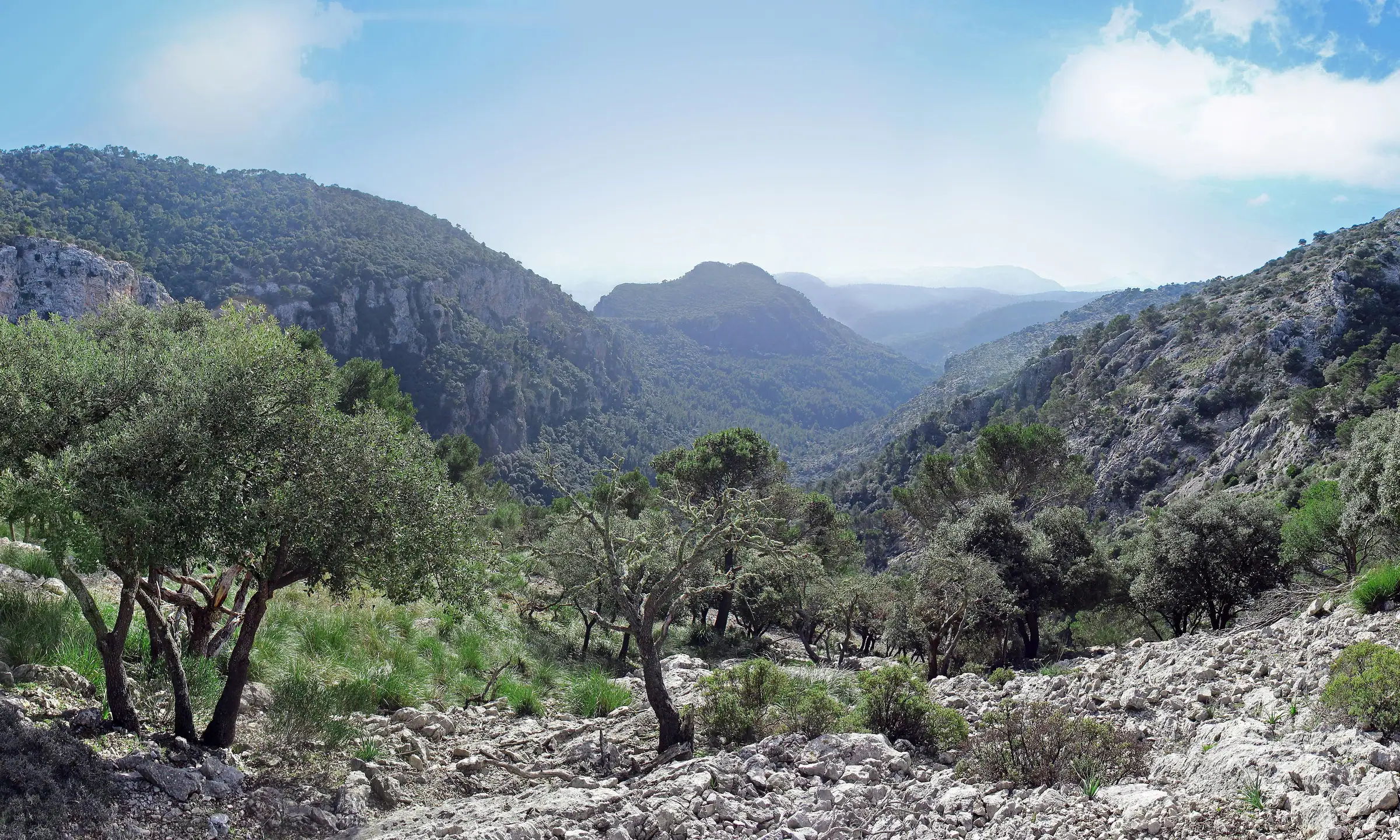
Photo: Heuschrecke (Dmitry Tonkonog and Ksenia Fedosova), CC BY-SA 3.0, via Wikimedia Commons
Contents
- Things to do in Mallorca: the highlights in 30 seconds
- Mallorca attractions: six tickets to book before you go
- The villages of the Serra de Tramuntana
- Natural sights: Cap de Formentor, Sa Calobra and the caves
- Beaches and resorts
- Things to do in Palma
- Things to do on the water
- Things to do in Mallorca when it rains
- Mallorca itineraries: 3 days or a week
- FAQ
Things to do in Mallorca (or Majorca, as many British visitors still call it) range from honey-coloured mountain villages to a wooden train from 1912 and a Gothic cathedral standing right on the sea. Add caves with an underground lake, a lighthouse at the island’s northern tip and coves of turquoise water, and you have a small continent to explore. Allow seven to ten days to go all the way round. This guide covers the highlights, the tickets worth booking before you travel and two ready-made itineraries.
Things to do in Mallorca: the highlights in 30 seconds
If you only remember five things, your trip is already on the right track.
- The prettiest village: Valldemossa, in the Serra de Tramuntana.
- The number one activity: a catamaran trip with swimming stops.
- The most beautiful cove: Caló des Moro, ideally at 8am.
- The family favourite: the wooden train to Sóller.
- The right length of stay: seven to ten days to tour the whole island.
The short version: come early in the morning or late in the afternoon, book tickets ahead, and plan on hiring a car, because most of these places are poorly served by buses.
Mallorca attractions: six tickets to book before you go
The Sóller train, the Caves of Drach and Palma Cathedral fill up in summer. Booking online saves you the queue and the “sold out” sign at the ticket office.
- Sóller train: the wooden train of 1912 links Palma with Sóller through the tunnels and over the viaducts of the Tramuntana. In summer the ticket windows are besieged. Everything about the ride is in our Sóller train guide.
- Caves of Drach: the cave at Porto Cristo holds Lake Martel, one of the largest underground lakes in the world, and ends with a classical music concert played from illuminated boats. Touristy, but unique: see our guide to the Caves of Drach.
- Palma Cathedral (La Seu): a Gothic masterpiece set on the seafront. Book the rooftop terraces tour to walk on the roof facing the bay. Details in our Palma Cathedral guide.
- Boat to Sa Calobra: the hairpin road with its “tie knot” bend is exhausting. The most comfortable option is the boat from Port de Sóller. Both ways are compared in our guide to driving to Sa Calobra.
- Catamaran trip: around five hours at sea, meal included, with swimming stops in coves you cannot reach by land. Trips leave from the north as well as the south. See catamaran trips.
- Bellver Castle: a circular Gothic castle from the 14th century on a wooded hill above Palma, with the finest view over the bay. See our page on Bellver Castle.
Affiliate links to GetYourGuide: the price is the same for you, and a commission helps fund this site.
The villages of the Serra de Tramuntana
Valldemossa, Sóller and Deià sit in the Serra de Tramuntana, the mountain range listed as a UNESCO World Heritage Site: winding roads and sea views all the way.
Valldemossa, in the footsteps of Chopin
Valldemossa is the island’s postcard, where Chopin and George Sand spent a winter. The moment to savour: a coca de patata, the local sweet bun, at the Ca’n Molinas café. The catch is that between 11am and 4pm the village is overrun by coaches, so come early or for sunset. More in our Valldemossa guide.
Sóller, Deià and Fornalutx
Sóller sleeps in a valley of orange trees and is linked to its port by an old tram. Deià, the artists’ village, drops down on foot to Cala Deià and its pebbles; if you have your heart set on a restaurant there, book two months ahead. See also our guides to Deià and Fornalutx.
Natural sights: Cap de Formentor, Sa Calobra and the caves
Mallorca’s most striking landscapes are a lighthouse, a canyon and an underground lake.
Cap de Formentor, the end of the world
A dizzying road climbs to the lighthouse at the far north of the island. In summer the road is closed to cars for much of the day, and cameras catch offenders: park at the Formentor beach car park and take the shuttle bus. The access rules are explained in our Formentor guide.
Sa Calobra and the Caves of Drach
Sa Calobra is a pebble beach between two giant cliffs at the mouth of the Torrent de Pareis: the finest way to arrive is by sea from Port de Sóller. The Caves of Drach are touristy, but the concert in the dark on Lake Martel remains unique. If you would rather walk, read our GR221 guide for beginners.
Beaches and resorts
Caló des Moro is at its best at 8am, before the crowds. For Cala Pi or Es Trenc, arrive before 9am. With children, Playa de Muro is the first choice. Our full selection is in the guide to the best beaches in Mallorca. On the east coast, Cala Ratjada and Cala Millor are the main resorts.
Things to do in Palma
Palma is more than a capital: it is a rival to Barcelona. The cathedral is a Gothic masterpiece set on the sea, so book the terraces tour. Behind it, lose yourself in the lanes towards the Arab baths and look for the patios of the old noble houses. Add Bellver Castle and the markets and you have a full day.
Our guides: things to do in Palma, the cathedral, the Olivar and Santa Catalina markets and where to park in Palma.
Things to do on the water
If you only pay for one activity, make it the catamaran: five hours at sea, meal included, with swimming stops in coves that are out of reach by land. The atmosphere is relaxed, and trips run from the north and the south.
- Dolphin watching: boats leave Alcúdia early in the morning, at sunrise, a magical moment for children. See dolphin trips.
- Boat without a licence: for four to five people, to explore the coast at your own pace, for example from Sant Elm, facing the island of Sa Dragonera.
- A full day out: the Cabrera archipelago.
Under the water, see the best snorkelling and diving spots. With children, our page on Mallorca with kids has more ideas, and the events calendar lists the dates to remember.
Things to do in Mallorca when it rains
Storms happen, even in summer. Four shelters are worth the trip:
- The caves: Drach, Hams or Campanet, dry and at a mild temperature all year round. Cave tickets.
- Palma Aquarium: one of the finest in Europe, perfect with children. See our Palma Aquarium guide.
- Palma’s museums: Es Baluard, the Fundació Miró and the Fundación Juan March are enough to fill a rainy day. See the museums of Palma.
- FAN Mallorca: a large covered shopping centre near the airport.
Mallorca itineraries: 3 days or a week
The right order makes all the difference. For a day-by-day version, see our 7-day road trip.
Mallorca in 3 days
- Day 1, Palma: the cathedral, the old town, the shops and tapas in the evening.
- Day 2, the Sóller train and Valldemossa: the wooden train in the morning, Valldemossa in the late afternoon, once the coaches have left.
- Day 3, a cove in the south: Cala Pi or Es Trenc, arriving before 9am.
Mallorca in a week
- Days 1 to 3, a base in the north: Alcúdia and its old town, Cap de Formentor, Playa de Muro.
- Day 4, the Tramuntana road: Sóller, Deià and the viewpoints of the west coast.
- Days 5 to 7, a base in the south-east, then Palma: the coves around Cala d’Or, the Caves of Drach, and Palma to finish.
For food, our guide to Mallorcan food covers what to order, and our car hire guide explains how to rent the car you will need for most of this list.
FAQ
What is there to do in Mallorca in a week?
Three days in the north (Alcúdia, Cap de Formentor, Playa de Muro), a day on the Tramuntana road (Sóller, Deià), then three days in the south-east and Palma (the coves of Cala d’Or, the Caves of Drach, the cathedral). Seven to ten days let you tour the whole island.
What can you do in Mallorca in 3 days?
Day 1 in Palma (cathedral, old town, tapas), day 2 with the Sóller train and Valldemossa, day 3 in a southern cove such as Cala Pi or Es Trenc.
Which is the most beautiful part of Mallorca?
The west (Tramuntana) for mountains and villages, the north (Alcúdia) for sandy beaches and families, the east for wild coves.
What can you do in Mallorca with kids?
Ride the wooden train to Sóller, visit Palma Aquarium, go dolphin watching from Alcúdia, swim at Playa de Muro or spend a day at Katmandu Park. More ideas: water parks in Mallorca.
How much does a week in Mallorca cost?
Allow €1,500 to €2,000 for a couple in high season, including flights, car, hotel and restaurants. Booking the car and hotel four months ahead brings the bill down.
Do you need a car to visit Mallorca?
For most of the highlights, yes: mountain villages, coves and lighthouses are poorly served by buses.
Read next
Things to do in Palma de Mallorca: what to see on foot and a one-day itinerary
Things to do in Palma de Mallorca: the cathedral and its terraces, old town patios, Arab baths, the Olivar market, Santa…
Palma Cathedral (La Seu): tickets, prices, opening times and rooftop terraces
Palma Cathedral tickets cost €11 online with the museum, €25 with the rooftop terraces; closed to visitors on Sundays. Opening…
Caves of Drach, Mallorca: tickets, prices, time slots and an honest review
Caves of Drach tickets: €18.50 online, €19.50 at the desk. The one-hour visit, the Lake Martel concert and the quietest slots to…