Things to do in Palma de Mallorca: what to see on foot and a one-day itinerary
7 min readUpdated  By Antoon
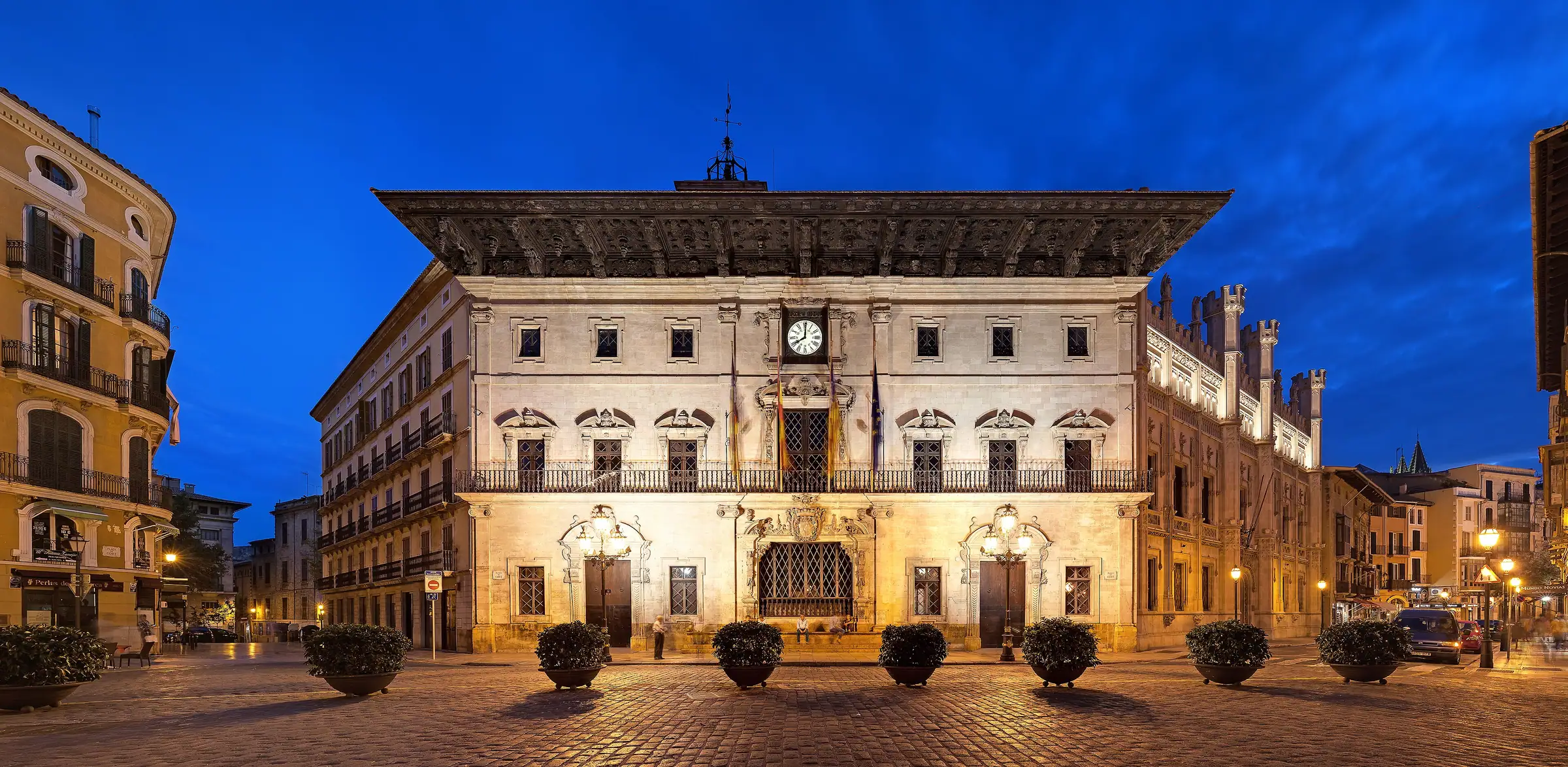
Photo: Thomas Wolf, www.foto-tw.de, CC BY-SA 3.0 de, via Wikimedia Commons
Contents
Palma de Mallorca, capital of the island and of the Balearics, is easy to explore on foot in one full day. The top things to do in Palma: La Seu cathedral and its rooftop terraces, the patios and Arab baths of the old town, lunch at the Olivar market, Bellver Castle or the harbour at Portixol in the afternoon, and the Santa Catalina district in the evening. Park at the Parc de la Mar car park, or leave the car on the edge of town: the historic centre is monitored by cameras.
Plenty of travellers pick up their hire car at the airport and head straight for the beaches without a glance at the capital. That’s a shame: Palma mixes aristocratic palaces, tapas bars and art galleries, with a light that has inspired more than one painter. It also has its traps, from frozen paella on the Plaça Major to €30 parking. Here’s how to visit it and sidestep them.
Things to do in Palma: the highlights
La Seu: Palma Cathedral and its terraces
One of the tallest Gothic cathedrals in Europe, moored like a ship facing the sea. Go in early, from 10am, when the great rose window scatters thousands of coloured spots across the stone. Inside, look for the choir redesigned by Gaudí and Miquel Barceló’s chapel, a cave of cracked clay teeming with fish that leaves nobody indifferent. Buy the ticket that includes the terraces: the view over the flying buttresses and the bay is the finest in the city. Everything you need to know is in our guide to Palma Cathedral.
The Almudaina Palace
Opposite the cathedral stands the former Moorish fortress that became a royal palace. If you’re short of time, the outside is enough: the interior (tapestries, courtyards) is attractive but fairly conventional.
Palma old town: the Call and its patios
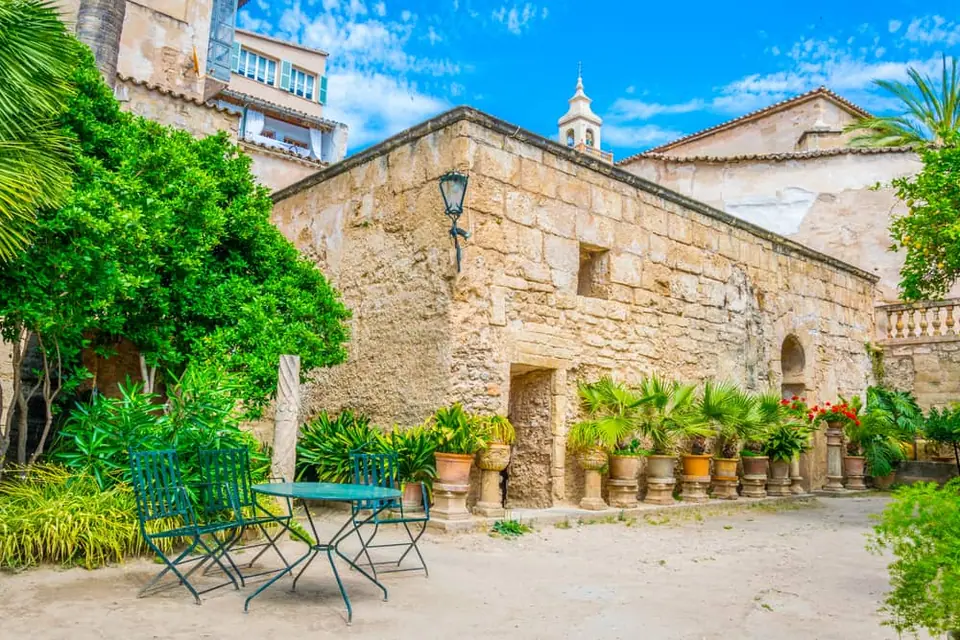
Behind the cathedral, between Carrer Sant Palau and Carrer Morey, lies the old Jewish quarter. Look up: this is the district of town palaces, built by a wealthy nobility to shelter from the heat. Their patios, with stone arches, wells and palm trees, are typical of Palma; those of Can Vivot and Can Bordils are the most photogenic. People live in them, so be discreet.
The Arab baths
On Carrer de Can Serra, the Banys Àrabs are one of the few remaining traces of Medina Mayurqa, Muslim Palma. Entry is charged and the visit takes 15 to 20 minutes: a garden of palms and orange trees, then the bath chamber, topped by a dome pierced with star-shaped openings. A welcome cool break in summer.
Bellver Castle
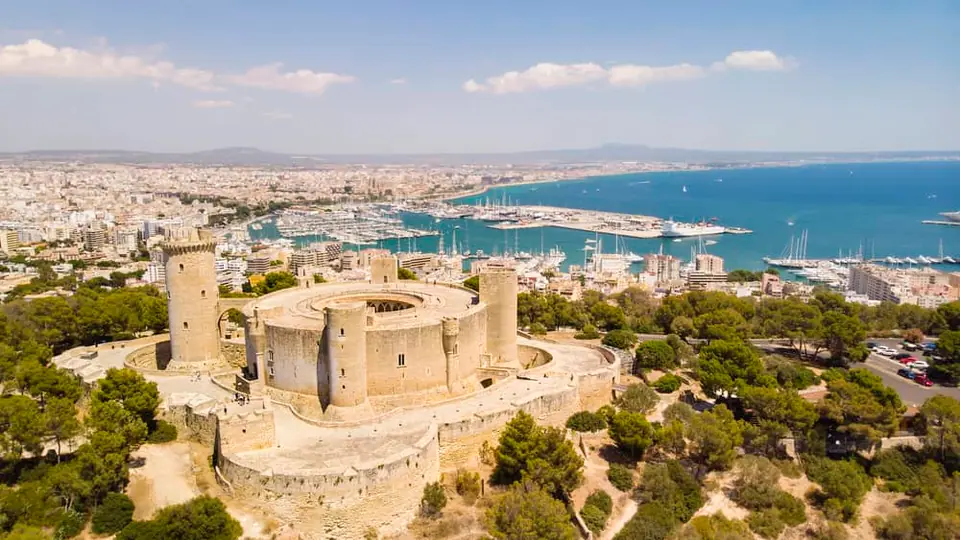
On a hill above the city, one of the few round castles in Europe gives a 360-degree view over Palma, the cathedral and the port. You can get up there by car, bus or taxi. It closes early in winter.
Miró, Es Baluard and the Passeig del Born
The Fundació Pilar i Joan Miró, in Cala Major, keeps the painter’s studio just as he left it. In the centre, the Es Baluard museum of modern art, set in the city walls, has a free terrace overlooking the port. In between, the Passeig del Born, shaded by plane trees, is the avenue for window shopping.
Portixol: a seaside escape
A quarter of an hour by bike east along the seafront, the old fishing village of Portixol lines up low, colourful houses and a promenade. It’s where locals come to unwind at the weekend.
Parking in Palma: how to avoid a fine
The city is covered by the ORA blue zone: spaces are scarce, meters are often app-based and parking is limited to two hours (three hours in some districts, such as Pere Garau). The historic centre is an ACIRE zone, monitored by cameras: without a permit, the fine goes to your car hire company, which takes it from your deposit along with a fee.
- The easiest: the Parc de la Mar car park, below the cathedral, €3 an hour from 10am to 6pm, €2 at night. You come out right in front of La Seu.
- The cheapest: a car park near Carrer de Manacor or the intermodal station, then a 15-minute walk.
All the free options and park-and-ride sites are in our guide to parking in Palma.
Where to eat in Palma de Mallorca
Avoid the Plaça Major at lunchtime: sangria from a carton and defrosted tapas. Two places are worth the detour.
- The Olivar market, five minutes’ walk away: locals do their shopping here, and you eat standing at the counters among the fish stalls. See the Olivar and Santa Catalina markets.
- La Rosa Vermuteria, near Plaça Weyler: 1950s decor, often a queue, always worth the wait.
What to order: tumbet (fried vegetables topped with garlicky tomato sauce), sobrassada, served warm with honey if you’re feeling bold, pa amb oli (bread rubbed with tomato and drizzled with olive oil) and, in winter, arròs brut, rice in a spiced broth with rabbit or chicken. For paella, see our best places for real paella.
Palma at night: Santa Catalina
In the evening, life moves from the historic centre to the west and Santa Catalina, the old fishermen’s quarter. On Saturdays, the tardeo (afternoon drinks) starts from 4.30pm at the covered market, which turns into a bar. For dinner, the pedestrianised Carrer de la Fàbrica is lined with restaurants, and the bars around the square stay lively until 2am. Everything is within walking distance. To compare with Magaluf, see our guide to nightlife in Mallorca.
Palma with children
- Palma Aquarium: one of the finest in Europe, air-conditioned, enough to keep children absorbed for three hours.
- The Parc de la Mar, below the cathedral: space to run around.
- The little tourist train, handy when children get tired.
- Can Pere Antoni, the city beach, within walking distance of the centre.
Where to stay in Palma: which area to choose
- The old town (Calatrava, Cort): 17th-century palaces turned into boutique hotels, often with a rooftop pool. The Hotel Sant Francesc is the most refined address.
- The Passeig Marítim: large hotels with parking and sea views, handy if you’re heading off by car to the beaches.
- Santa Catalina: the nightlife district, for young couples; the Hostal Cuba and its rooftop bar are legendary, but weekends are noisy.
Our hotel picks and the pitfalls of the centre: where to stay in Palma.
Palma in one day: a walking itinerary
- 8.30am: park at the Parc de la Mar, walk round the outside of the cathedral and along the seafront, then go in as soon as visits open at 10am, ahead of the heat and the cruise passengers.
- 11am: the Almudaina Palace from the outside, then the Call, its patios and the Arab baths.
- 1pm: lunch at the Olivar market or La Rosa Vermuteria.
- 3pm: the Passeig del Born, then your choice of the Miró foundation, Bellver Castle or Portixol by bike.
- 7pm: drinks and dinner in Santa Catalina.
Practical tips for visiting Palma
When to go? All year round: even in winter, when the beach resorts close, Palma stays lively, and Christmas there is magical. In summer, sightsee from 8.30am to midday and head out again in the evening. See when to go to Mallorca and our guide to Mallorca in winter.
Tourist tax: at your hotel, from €2 (1- to 3-star hotels) to €4 (5-star) per person aged 16 and over per night from May to October, a quarter of that from November to April, plus 10% VAT.
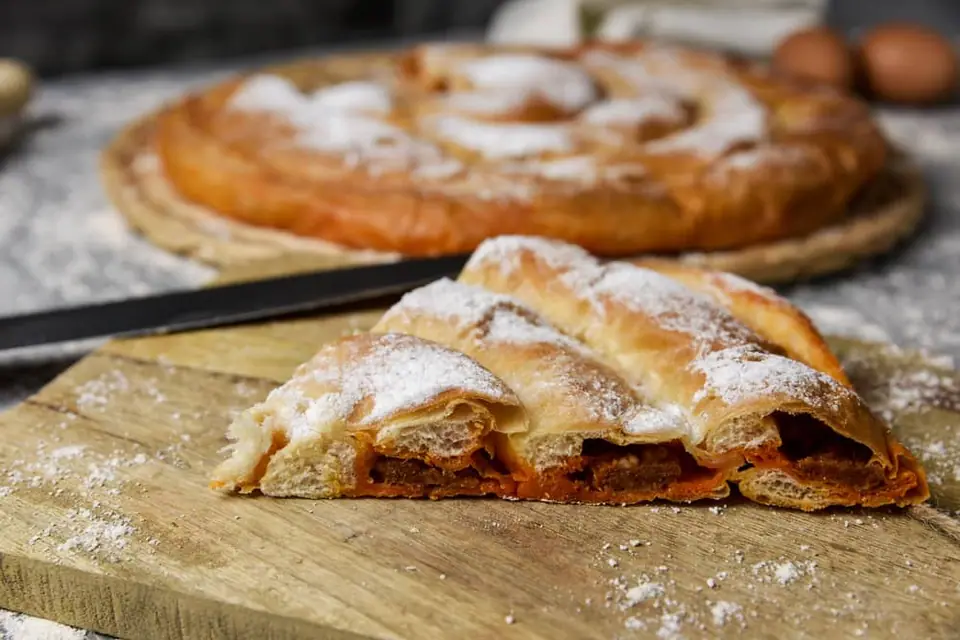
Ensaïmada: this lard pastry is sold in octagonal boxes. Don’t buy it at the airport, where it’s dry and expensive: go to Ca’n Joan de s’Aigo, founded in 1700, or Horno Santo Cristo instead. Check your airline’s baggage rules: taking an ensaïmada on the plane.
FAQ
How much time do you need to visit Palma?
One full day for the essentials (cathedral, old town, market, Santa Catalina in the evening), two days to add Bellver Castle, the Miró foundation and Portixol.
Where should you park to visit Palma?
At the Parc de la Mar car park, below the cathedral (€3 an hour from 10am to 6pm), or in a car park on the edge of town, then walk. Avoid the streets of the historic centre, which are monitored by cameras.
Is Palma Cathedral worth visiting?
Yes, especially in the morning, when the rose window colours the interior, and with the ticket that includes the rooftop terraces.
What is there to do in Palma old town?
Start at La Seu and the Almudaina Palace, then wander the Call for the noble patios of Can Vivot and Can Bordils, stop at the Arab baths and finish on the Passeig del Born.
What can you do in Palma in the evening?
Head to Santa Catalina: the covered market on Saturday afternoons, Carrer de la Fàbrica for dinner and the bars around the square until 2am.
Read next
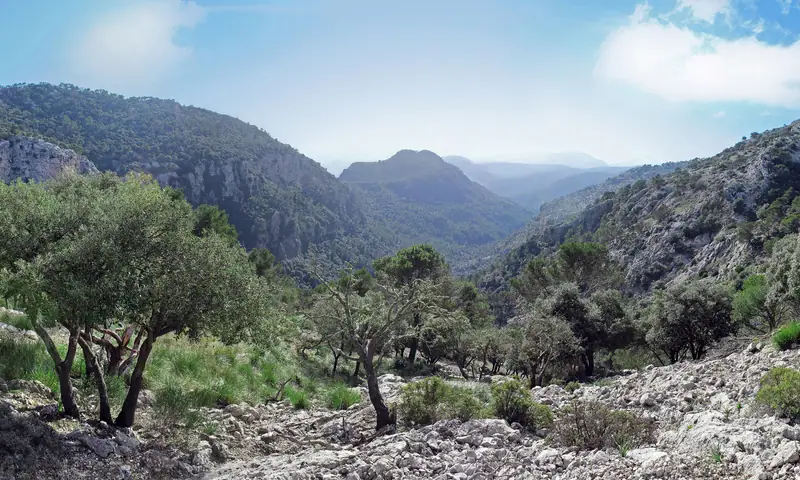
Things to do in Mallorca: the highlights, tickets to book and itineraries
Things to do in Mallorca: Valldemossa, the Sóller train, the Caves of Drach, Formentor, Palma Cathedral, tickets to book and…
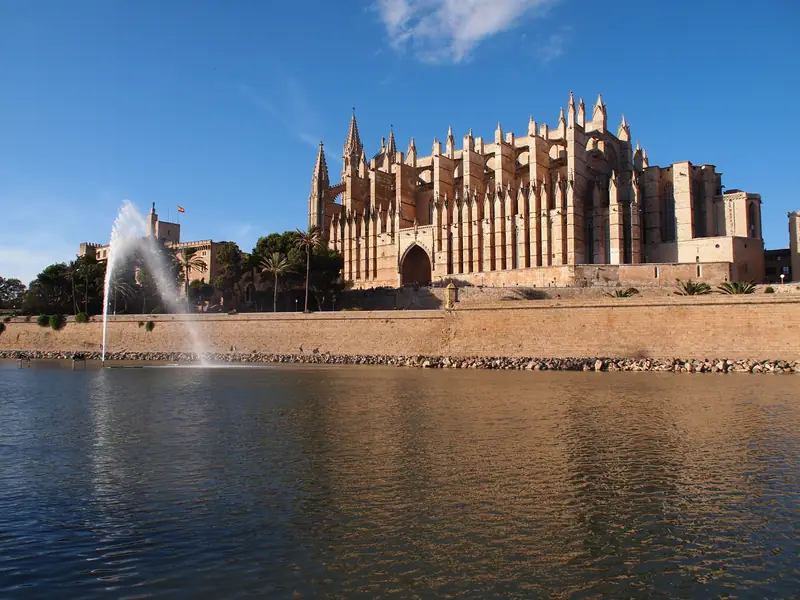
Palma Cathedral (La Seu): tickets, prices, opening times and rooftop terraces
Palma Cathedral tickets cost €11 online with the museum, €25 with the rooftop terraces; closed to visitors on Sundays. Opening…
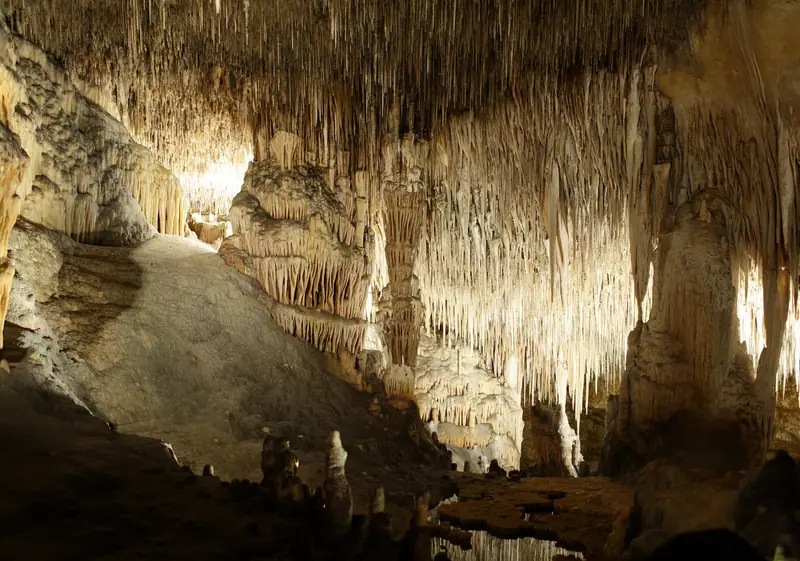
Caves of Drach, Mallorca: tickets, prices, time slots and an honest review
Caves of Drach tickets: €18.50 online, €19.50 at the desk. The one-hour visit, the Lake Martel concert and the quietest slots to…