Snorkelling in Mallorca: the best spots and dive sites by area
7 min readUpdated  By Antoon
Contents
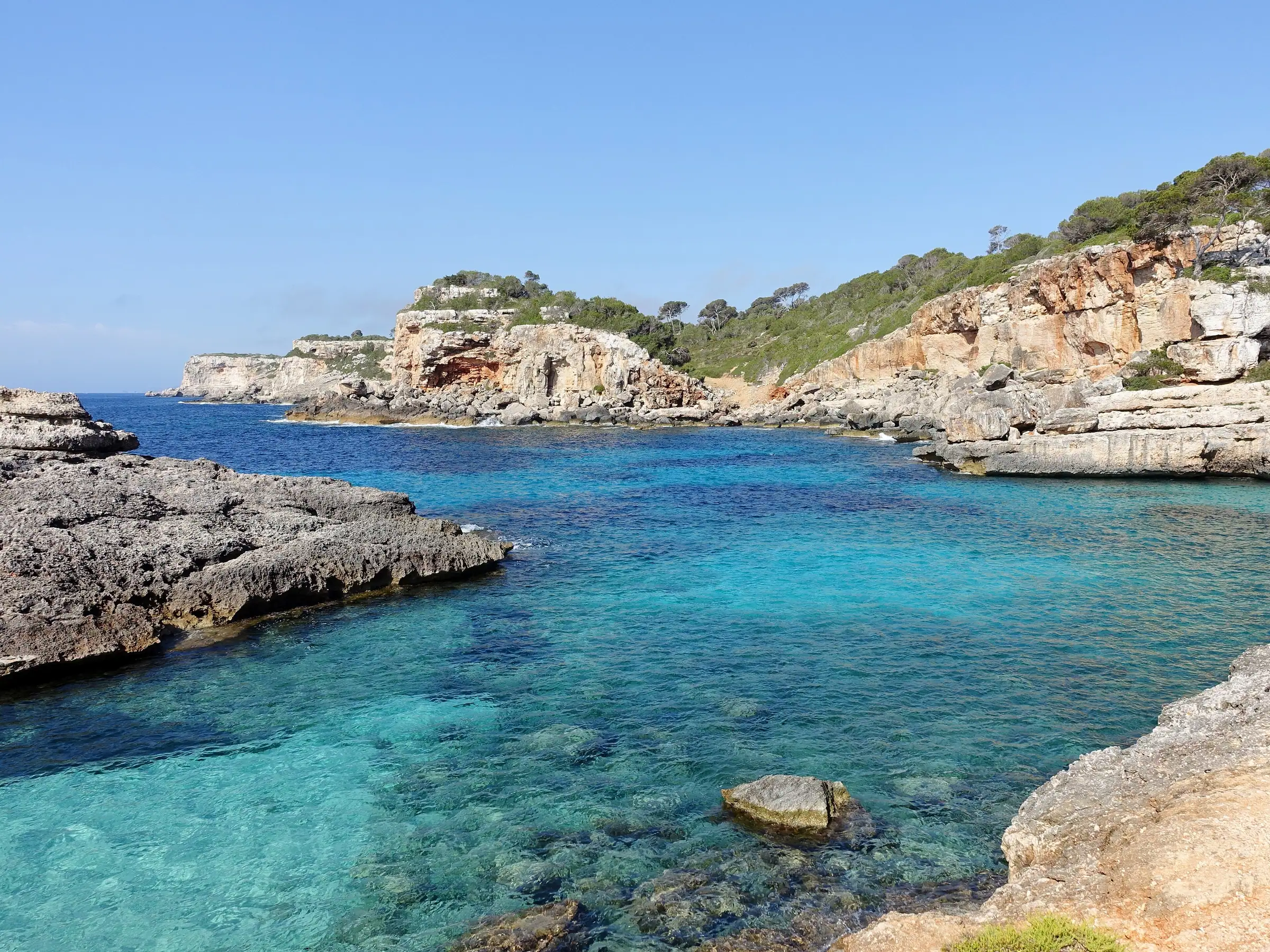
Snorkelling in Mallorca is far better than its reputation suggests. The best snorkelling spots are Cala Mondragó and S’Amarador in the Mondragó Natural Park, Cala Varques and Cala Sa Nau on the east coast, Cala Llamp near Andratx and the coast of Dragonera island. Spend twenty minutes at Cala Mondragó on a September afternoon, even with a cheap supermarket mask, and you may meet a moray eel in its crevice, a few octopus, clouds of salema and a grouper in no hurry to move.
Mallorca has five marine reserves: the Bay of Palma, the Migjorn, the Llevant, Sa Dragonera and the reserve of the Ponent islands (El Toro, the Malgrats and El Sec). In these areas, created between 1982 and 2016, fishing is banned or strictly regulated, and the sea life is noticeably denser than along unprotected Mediterranean coasts.
Best snorkelling spots in Mallorca, no heavy kit needed
Cala Mondragó and S’Amarador (Mondragó Natural Park) are our top pick for easy snorkelling the whole family can enjoy. The Posidonia seagrass meadows, 1 to 3 metres deep, shelter plenty of fish: salema, white seabream, wrasse and red mullet. Around the rocks on the east side of S’Amarador you can find moray eels and octopus without straying far from the shore. It’s the ideal spot for children aged 8 and over with an adult, and for anyone who wants a memorable first experience without much effort.
Cala Varques, on the east coast, can only be reached on foot (a 25-minute walk from the car park) and is the wild beach with the best snorkelling on that side of the island. Underwater caves can be reached from the surface, 3 to 5 metres down. Speedboat trips from Porto Cristo take you straight there with equipment provided, ideal for children from 8. If you go on your own, bring everything you need: there are no facilities.
Cala Sa Nau, in the east of the island, is one of the few shore snorkelling spots where the depth, the calm bay and the clear water let you watch ornate wrasse, peacock wrasse and blue damselfish from the surface. You can drive there.
The coast of Dragonera (an island about 15 minutes by boat from Sant Elm, from March to October; check the natural park is open before you go) offers outstanding snorkelling inside the marine reserve. The seabed around the island is among the richest in fish in the Mediterranean: big groupers, barracuda and shoals of bogue. Allow a full day.
Cala Llamp, on the west coast near Andratx, is quieter and has particularly clear water thanks to its pebbles and the absence of currents.
Best diving in Mallorca: scuba sites
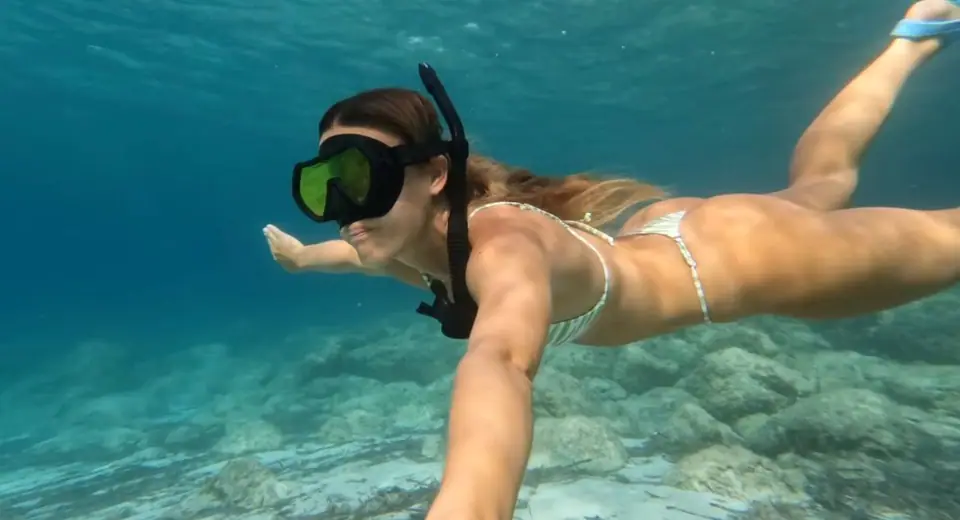
The Llevant Marine Reserve (east coast) has the best dives on the eastern side of the island: drop-offs to 30 metres, visibility regularly above 20 metres and groupers used to divers. This is where local centres run their flagship trips.
Sa Dragonera (west coast) is the island’s most spectacular site for experienced divers. The north wall of the island drops to 50 metres, covered in red gorgonians and visited by rays, octopus and groupers. The island’s underwater caves must be dived with a guide.
El Toro, a marine reserve in the south-west, suits every level: shallow water for beginners (the natural pools of the Malgrats, 2 metres deep) and a vertical wall reaching 25 then 36 metres for experienced divers. Groupers, barracuda and moray eels are plentiful.
The Porto Pi wrecks (off Palma) are in a category of their own. Four large ships were deliberately sunk in the 1970s to create artificial reefs. Maximum depth 28 metres, recommended for experienced divers. Nearby, Isla del Sec has three more wrecks forming an artificial reef open to all levels, down to 30 metres.
The caves of Cap de Formentor and the Cueva de la Santa (north of Alcúdia, 23 metres max) offer unique underwater landscapes: interconnected tunnels, stalactites and air pockets. These are technical dives that need proper supervision.
Diving in Mallorca: reliable dive centres by area
Dragonera Diving in Sant Elm is the go-to specialist for the Dragonera marine reserve, with trips from Port d’Andratx to Dragonera, Cap La Mola and the Cave of the Virgin at Cap Llamp. If you only do one dive in Mallorca, make it here.
- Prices: ask the centre
- Area: west coast, Dragonera reserve
- PADI courses available
Mero Diving, in Cala Ratjada, dives in the Llevant Marine Reserve on the east coast, with guided shore and boat dives twice a day.
- Prices: from €45 (snorkelling), try dive around €99
- Area: east coast, Cala Ratjada, Llevant reserve
- Level: all levels, try dives available
Big Blue Diving, in Palmanova (with a second shop in Puerto Portals), is a good base for the Porto Pi wrecks, the El Toro reserve and the caves around Palma. Handy if you’re staying in Palma.
- Try dives available
- Area: Bay of Palma, wrecks, El Toro, Portals Vells
- Full PADI courses, also available in French
Mar Balear Dive Center, in Port Adriano (Calvià), covers the El Toro and Malgrats sites from the south-west. Recent equipment and experienced staff: a good option if you’re staying in the Calvià area.
- Area: El Toro, Malgrats, south-west coast
- Levels: beginners and experienced divers
Organised snorkelling trips to the Cabrera nature reserve leave from Colònia de Sant Jordi. Cabrera is considered one of the best-preserved marine areas in the western Mediterranean, with intact Posidonia meadows and very clear water.
When to snorkel in Mallorca, and what to know first
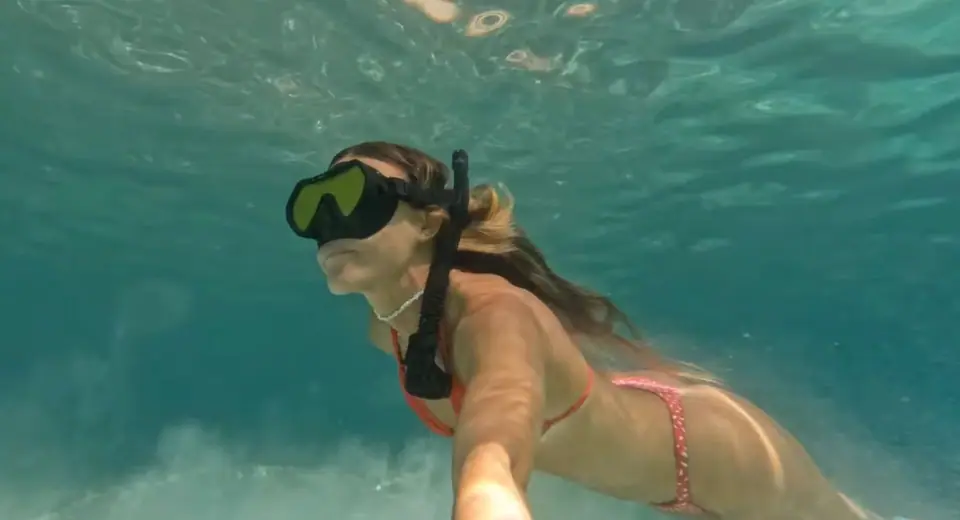
The best season runs from April to October, peaking in September and October, when the water is still around 25°C in September and 22°C in October and the crowds thin out. In high summer the easy-access spots are often packed at the surface. Visibility is better in the morning, before the wind picks up. In winter the water drops to around 14°C, but visibility can reach 30 metres in the protected areas: divers who come in January often see what summer visitors never do.
Posidonia seagrass is protected by Spanish law. Don’t stand on it, and don’t drop anchor on it if you have a boat. The fines are real and wardens patrol. Posidonia is also the island’s most reliable indicator of water quality: where it grows, the seabed is worth exploring.
As for wildlife, groupers, moray eels, octopus, barracuda and shoals of salema are near-guaranteed encounters in the reserves. Sea turtles, dolphins and tuna are around but remain exceptional sightings. If you’re worried about jellyfish at the surface, read our guide to jellyfish in Mallorca before you go: it explains how to check the beaches in real time. For a full overview of the species living in Mallorca’s waters, see our article on marine life in Mallorca.
Good to know: licences, kit hire and diving all year round
Do you need a diving licence in the marine reserves?
Not for guided group dives with an approved centre. To dive independently in the marine reserves, a PADI, FFESSM or equivalent certification is required and checked. The minimum age for a try dive is generally 10, with parental consent. Try dives are available in Palma, Alcúdia, Santa Ponsa and Porto Colom.
Can you hire snorkelling gear in Mallorca?
Yes, on beaches with facilities. For a proper experience, though, a €20 mask bought before you leave makes a big difference to comfort and how well you see. Fins are useful but not essential at calm snorkelling spots.
Can you dive in Mallorca all year round?
In theory, yes. In practice, most centres open from March to November. A few, such as Big Blue Diving in Palmanova, run all year for local divers and those chasing low-season visibility. Contact the centre directly before planning an off-season trip dedicated to diving.
Can you dive with sharks in Mallorca?
Yes, at Palma Aquarium. Its large “Big Blue” tank offers shark dives down to 8.5 metres, certification required, for around €65. A controlled, safe experience, unlike the open sea, where sharks are very rare.
FAQ
Where can children snorkel in Mallorca?
Cala Mondragó and S’Amarador, in the Mondragó Natural Park, are the easiest: seagrass meadows 1 to 3 metres deep, with moray eels and octopus near the rocks. The spot suits children aged 8 and over with an adult.
What is the best place to dive in Mallorca?
For experienced divers, Sa Dragonera on the west coast, with a wall dropping to 50 metres covered in red gorgonians. El Toro, in the south-west, suits every level, from the 2-metre natural pools of the Malgrats to a 36-metre wall.
When is the best time to snorkel in Mallorca?
From April to October, peaking in September and October, when the water reaches 24 to 26°C and the crowds thin out. Visibility is best in the morning, before the wind picks up.
What fish can you see snorkelling in Mallorca?
In the marine reserves, groupers, moray eels, octopus, barracuda and shoals of salema are near-guaranteed. Turtles, dolphins and tuna remain exceptional sightings.
Read next
The best beaches in Mallorca: top 10, coves and the wind rule
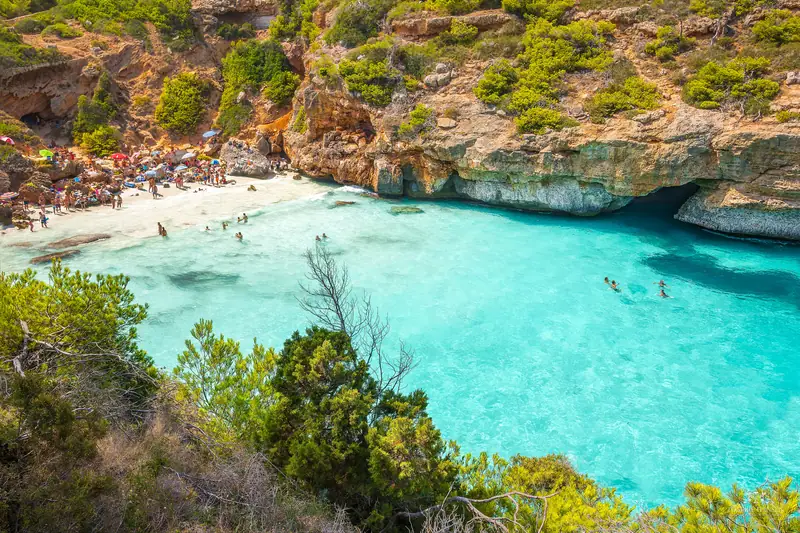
The best beaches in Mallorca: Es Trenc, Caló des Moro, Cala Pi, Playa de Muro. Access, parking, the wind rule and tips to beat…
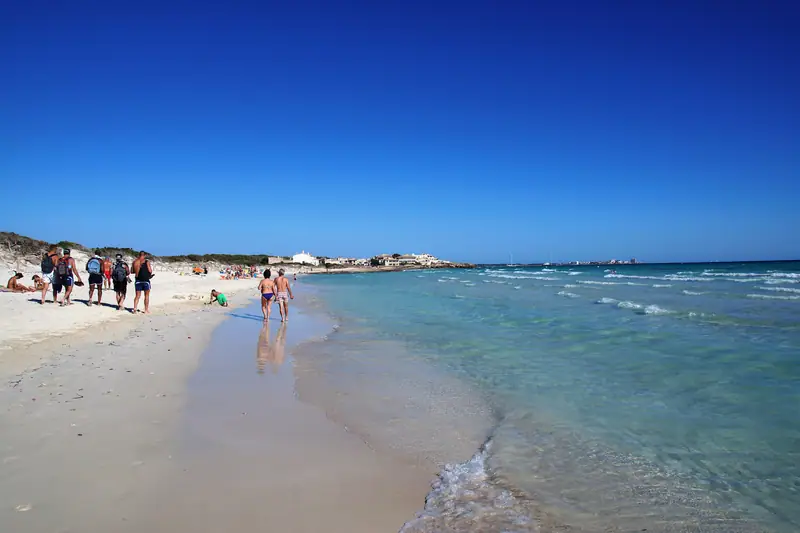
Es Trenc beach, Mallorca: parking, access and how to avoid the crowds
Over two kilometres of white sand with no concrete: where to park at Es Trenc (€8 to €10 a day), how to avoid crowds and seaweed…
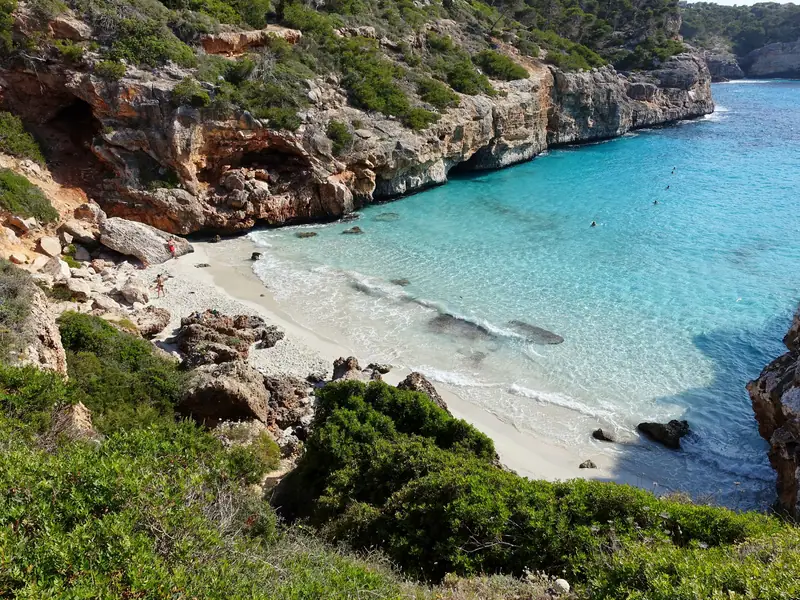
Caló des Moro: parking, access and the best time to go
Caló des Moro parking explained: the free visitor car park, a 25 to 30-minute walk, and why to arrive before 8am.