Jellyfish in Mallorca: which beaches to avoid depending on the wind, and what to do if stung
5 min readUpdated  By Antoon
Contents
Jellyfish in Mallorca worry plenty of holidaymakers, and the good news is that a simple wind rule tells you where to swim. Everyone knows that quick scan of the surface before getting in, looking for a suspicious purple shadow.
Yet the image of a sea “infested” with jellyfish is wrong. Yes, they are there, but not all the time and not everywhere. A simple rule, well known to the island’s sailors, helps you choose where to swim: look at where the wind is coming from.
Here is how to avoid them and what to do if you are stung.
Jellyfish types in Mallorca: not all are dangerous
Do not rush out of the water at the sight of any jellyfish: in Mallorca you need to tell two very different species apart.
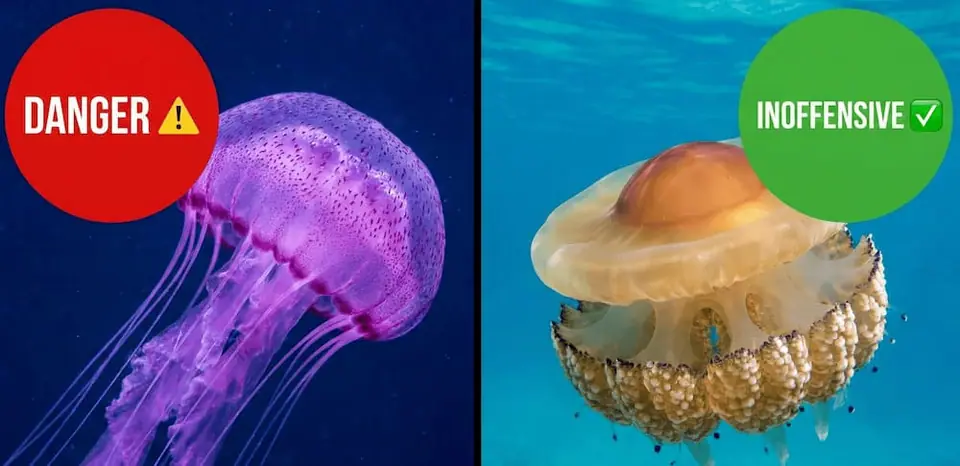
The one to watch: Pelagia noctiluca (mauve stinger)
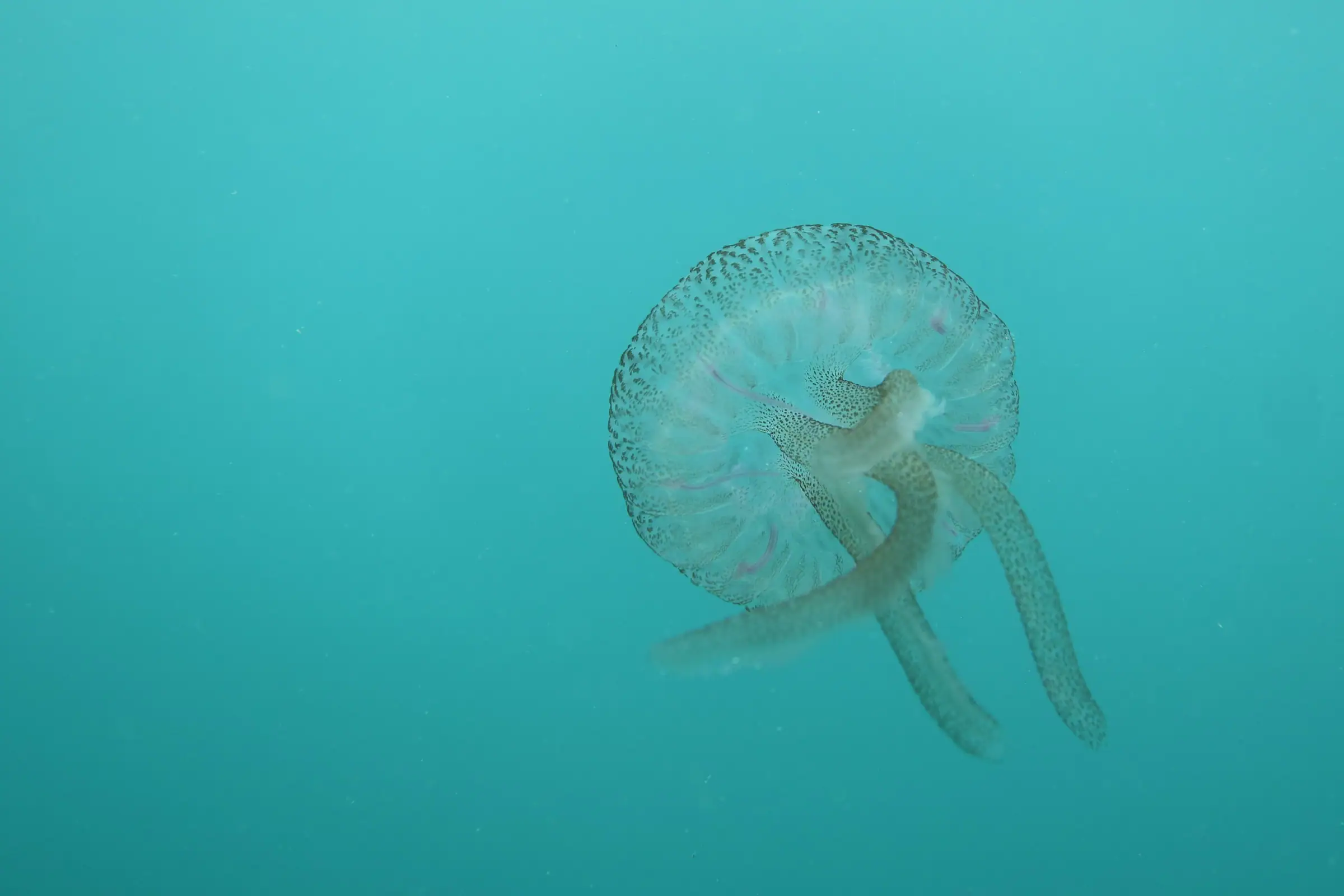
This is the one to keep an eye on. Small and sneaky, it often comes in groups. Pinkish or glowing purple, it trails long stinging tentacles that are hard to see in the water. It is the one behind painful burns that feel like an electric shock or the lash of a whip. If you see small purple dots out in the water, stay out.
The harmless one: the fried egg jellyfish (Cotylorhiza tuberculata)
You will often see this one at the end of summer (August and September). It is big, yellow-brown and looks exactly like a giant fried egg floating in the sea. It looks impressive but is almost harmless. Its tentacles are very short and its venom is so weak that it does not usually get through human skin (except very sensitive skin or mucous membranes). Do not scoop it out with a net to dry on the sand, a cruel and pointless habit: you can swim right next to it.
The locals’ secret: the wind rule
Jellyfish are not Olympic swimmers. They are plankton: they drift with the surface currents.
The rule is simple: jellyfish arrive with the wind, and it is wind blowing in from the sea that pushes them onto the beach.
If the wind blows from the sea towards the land (onshore wind), it pushes jellyfish towards the beach: the risk is high. If the wind blows from the land out to sea (offshore wind), it pushes the surface water (and the jellyfish) away from the shore. The water stays clear and safe.
How to use it this morning: just check the weather forecast or the flags on the beach.
- Wind from the north or north-east? Avoid the north coast and the bay of Alcúdia. Head south (Es Trenc, Palma): on that coast the wind blows from the land out to sea and pushes jellyfish offshore.
- Wind from the south? The opposite. The coves in the south may get a few visitors. Head north.
| Wind from the… | Exposed beaches (higher risk) | Sheltered beaches (lower risk) |
|---|---|---|
| North and north-east (Tramuntana, Gregal) | Cala Sant Vicenç, Cala Mesquida, Cala Torta, Platja de Muro | Es Trenc, Cala Pi, Platja de Palma, Cala Major |
| South (Migjorn) | Es Trenc, Platja de Palma, Cala Pi, Cala Major | Cala Mesquida, Cala Torta, Cala Sant Vicenç, Cala Agulla |
| East (Llevant) | Cala Millor, Sa Coma, Platja de Muro, Cala Mondragó | Es Trenc, Platja de Palma |
| West (Ponent) | Es Trenc, Platja de Palma | Cala Millor, Platja de Muro, Cala Mondragó, Cala Mesquida |
Jellyfish in Mallorca today: the MedusApp app
Do not rely on word of mouth. In Spain, one collaborative app is the reference: MedusApp.
Think of it as the Waze of jellyfish. Users and lifeguards report swarms, species and stings in real time. Before you load the car and drive an hour to Cala Varques, open the app. If the area is red, go elsewhere. You can also report a sting to help research.
Is there a jellyfish sun cream?
Yes, and it is not a marketing gimmick. The Safe Sea brand (sold online and in some pharmacies) has developed a sun cream containing a substance that mimics the mucus of the clownfish.
- How it works: the jellyfish does not recognise your skin as “prey” or a “threat” and does not fire its stinging cells on contact.
- How well it works: a randomised trial published in 2006 (Journal of Travel Medicine), carried out in Florida and Belize, counted 2 stings on protected skin against 11 on unprotected skin. The protection is not total, but the risk drops sharply. Ideal for nervous children.
Jellyfish sting in Mallorca: what to do (and the myths to forget)
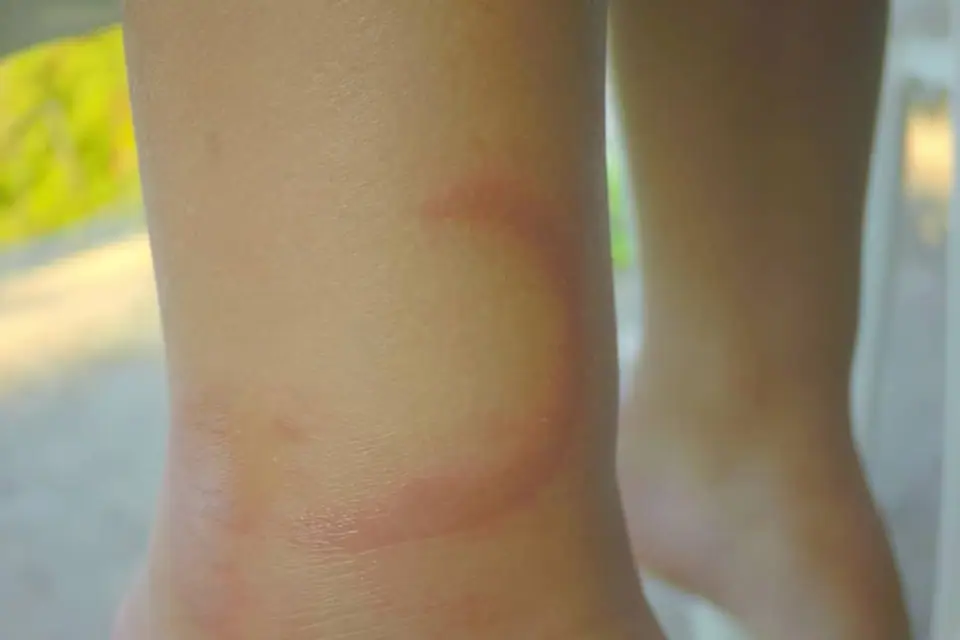
It can happen: an invisible tentacle drifting by, an unwise night swim. The pain is instant, like an intense cigarette burn. Some old wives’ remedies only make it worse by bursting the remaining venom cells.
What you should never do
- Pee on it: it is a myth (sorry, Friends fans), and the Spanish authorities advise against it.
- Rinse with fresh water: a big mistake. The difference in salinity bursts the nematocysts (the venom capsules) still stuck to your skin, which then release their venom.
- Rub with sand or a towel: you will spread the venom.
First aid for a jellyfish sting
- Get out of the water straight away (the shock can make you feel faint).
- Rinse thoroughly with sea water.
- Remove any visible tentacles with tweezers or, failing that, a rigid credit card (without touching them with your fingers).
- Apply cold for about 15 minutes (ice wrapped in a cloth, never directly on the skin) or go to the first-aid post.
- Be prepared: keep a tube of soothing cream, such as a cortisone cream or a specific bite-and-sting cream, in your beach bag.
Should you cancel your holiday?
Absolutely not. Many summers in Mallorca go by without a single Pelagia in sight. Mass invasions are cyclical and local.
A glance at the wind in the morning and MedusApp on your phone sharply reduce your chances of meeting jellyfish on holiday. Worried about other sea creatures? Read about sharks in Mallorca.
FAQ
Are jellyfish in Mallorca dangerous?
Only one common species really stings: Pelagia noctiluca, small, pink or purple, with long stinging tentacles. Its sting burns: rinse it with sea water and apply cold. The fried egg jellyfish is almost harmless.
Is the fried egg jellyfish (Cotylorhiza tuberculata) dangerous?
It is almost harmless. Its tentacles are very short and its venom does not usually get through the skin, except very sensitive skin or mucous membranes. You mostly see it in August and September.
What should you do if you are stung by a jellyfish in Mallorca?
Get out of the water, rinse thoroughly with sea water, remove tentacles with tweezers or a rigid card, then apply cold wrapped in a cloth or go to the first-aid post. Do not pee on it, rinse with fresh water or rub it.
How can you tell if there are jellyfish on a beach today?
Check the wind direction in the morning and open MedusApp, where users and lifeguards report swarms in real time. If the area is red, choose another beach.
Book onlineThe most populartours
Book online before you go: you pick the time slot, and most tours can be cancelled for free up to 24 hours before.
 At sea
Mallorca boat trip
Compare tours, times and traveller reviews.
See prices →Free cancellation on most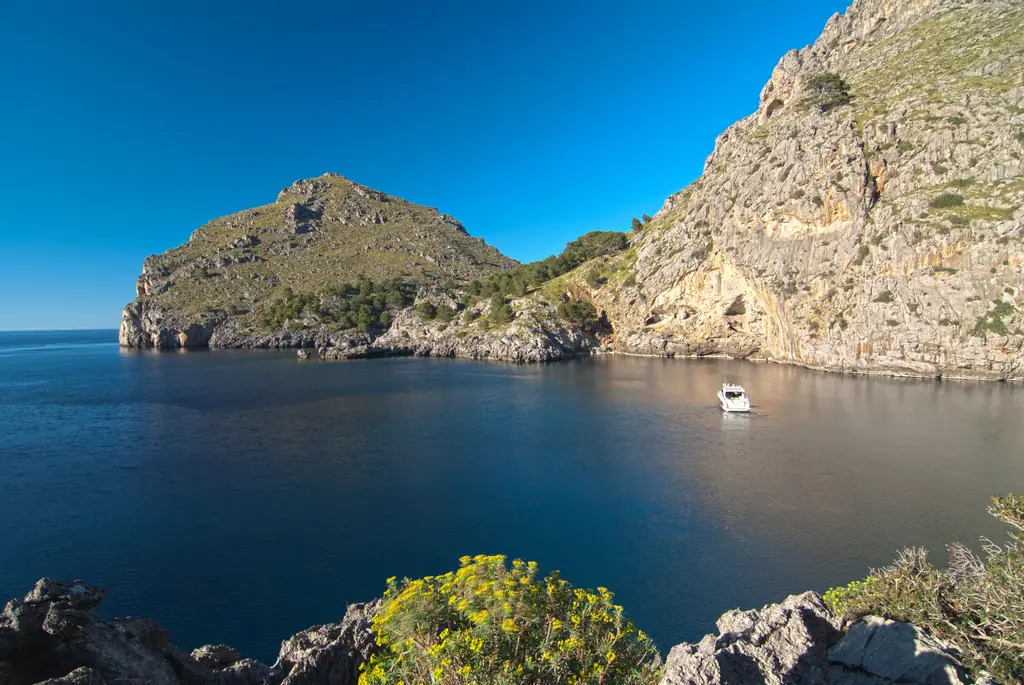 Guided tour
Serra de Tramuntana tour
Compare tours, times and traveller reviews.
See prices →Free cancellation on most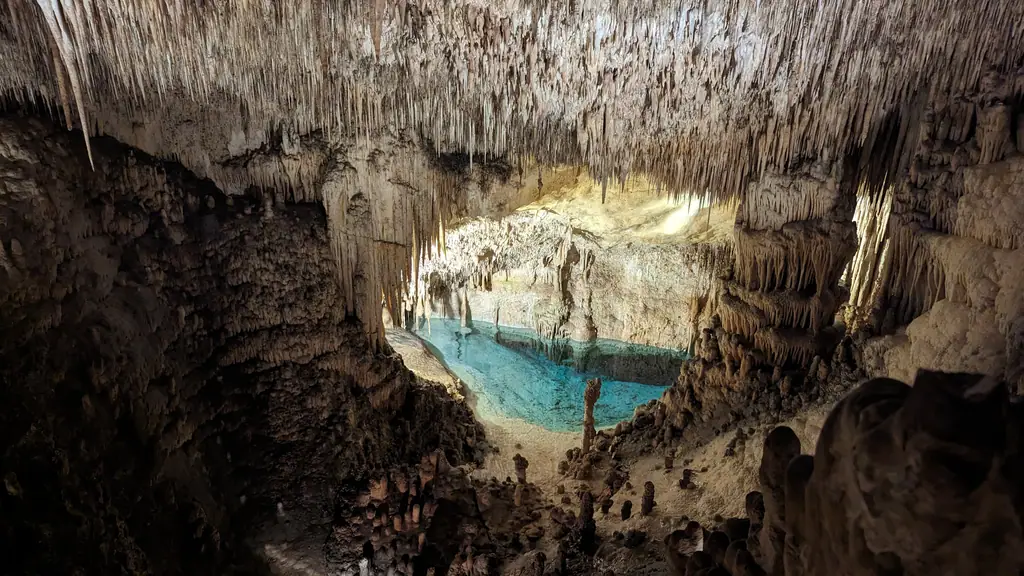 Day trip
Caves of Drach
Compare tours, times and traveller reviews.
See prices →Free cancellation on most
Read next
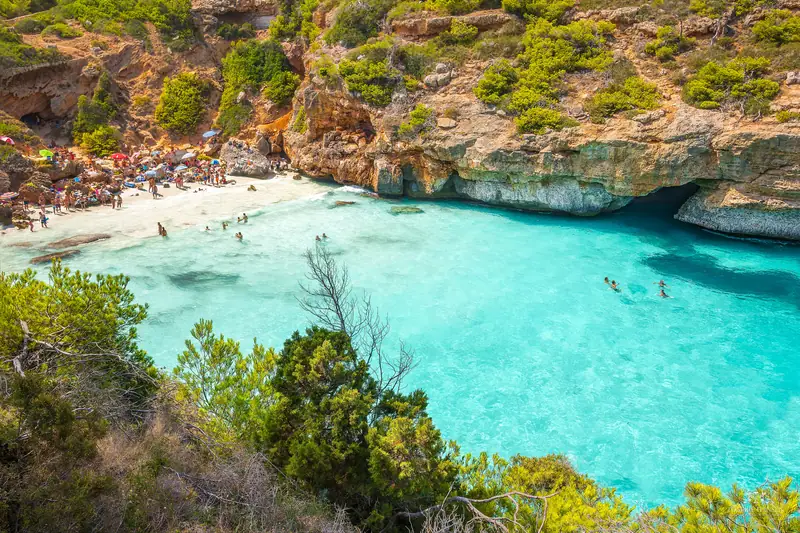
The best beaches in Mallorca: top 10, coves and the wind rule
The best beaches in Mallorca: Es Trenc, Caló des Moro, Cala Pi, Playa de Muro. Access, parking, the wind rule and tips to beat…
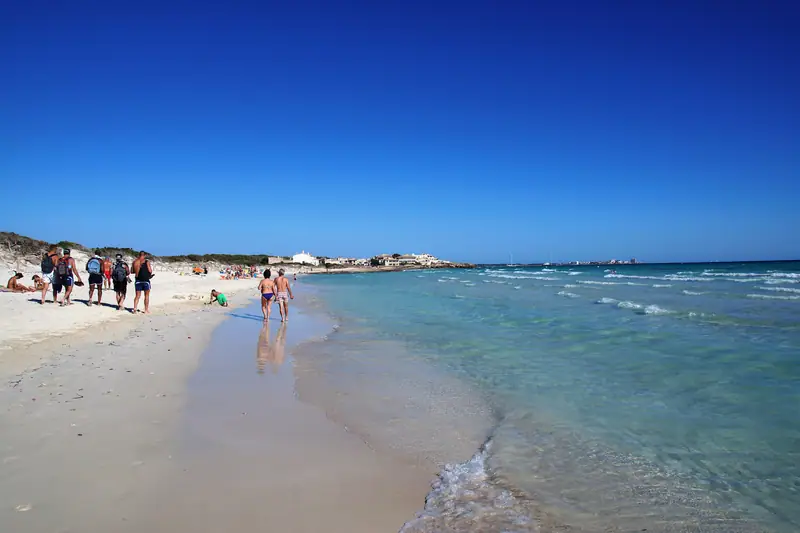
Es Trenc beach, Mallorca: parking, access and how to avoid the crowds
Over two kilometres of white sand with no concrete: where to park at Es Trenc (€8 to €10 a day), how to avoid crowds and seaweed…
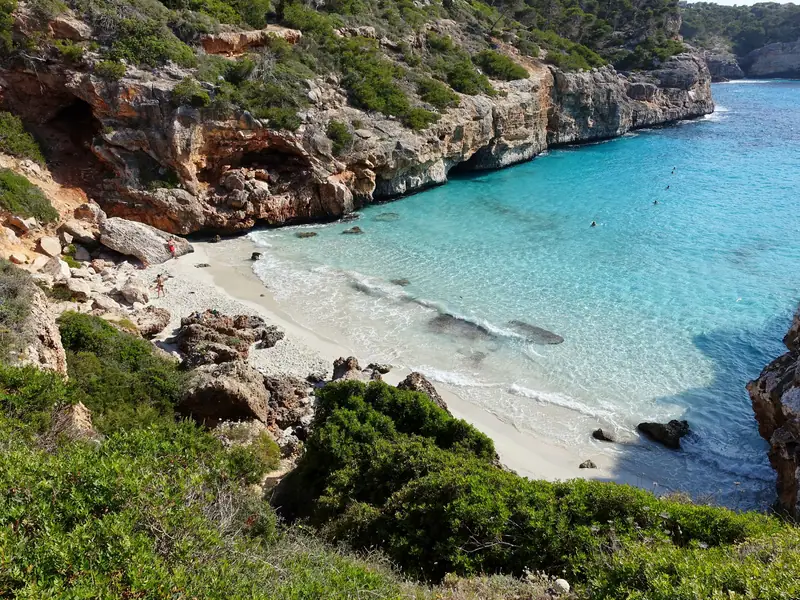
Caló des Moro: parking, access and the best time to go
Caló des Moro parking explained: the free visitor car park, a 25 to 30-minute walk, and why to arrive before 8am.