Sharks in Mallorca: which species, and is it safe to swim?
4 min readUpdated  By Antoon
Contents
Are there sharks in Mallorca? Many visitors wonder before swimming at Es Trenc or Caló des Moro. With viral videos occasionally showing a fin close to the shore, the “Jaws” fear soon resurfaces.
Facts are more useful than panic. So, are there sharks in Mallorca? The answer is yes. Are they a danger to you? The answer is no, not at all.
Here is what you need to know to swim with peace of mind.
Sharks in Mallorca: is the danger real?
Yes, the Mediterranean is home to 47 species of shark. But most of them live near the seabed or on the open sea. Sightings near beaches are extremely rare, and usually involve sick or disoriented animals.
Shark attacks are extremely rare in the Mediterranean. You are far more likely to be stung by a jellyfish or get sunburnt.
Which shark species live around Mallorca?
These are the species you can find. You will not meet a great white while snorkelling at Cala Pi. Balearic waters are mainly home to harmless or pelagic species, which live on the open sea.
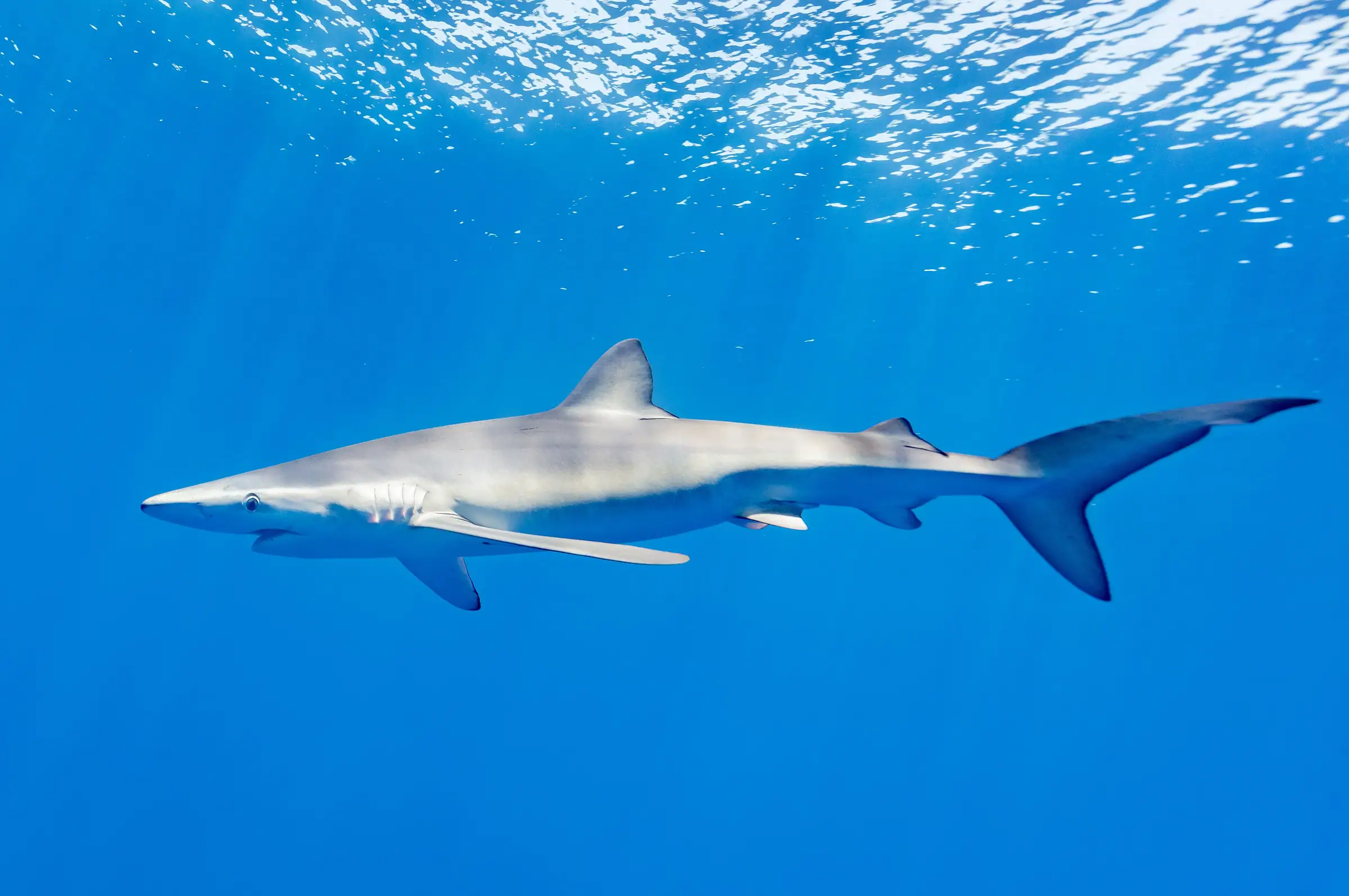
The most common: the blue shark (tintorera)
This is the one that occasionally makes the news.
- Size: it can reach 2 to 3 metres, which is impressive.
- Behaviour: it is an open-sea predator that feeds mainly on squid and fish, and sometimes on carrion. It is not interested in humans.
- Why does it come close? If you see a blue shark near a beach (as in Palma harbour in May 2016 or at Illetes in June 2017), the animal is usually sick, injured or old. It is coming to die or looking for calm water. It is in more danger than you are.
The other species: seldom seen
The other sharks are rarely seen: the thresher shark lives on the open sea, and the basking shark, a harmless giant that filters plankton, sometimes comes close to the Spanish coast in spring and summer.
Shark attacks in Mallorca: how common are they?
Time to end the myth. In Spain and the Balearics, shark attacks are exceptionally rare.
- Unprovoked attacks: extremely rare in the Mediterranean.
- By comparison: in Mallorca, jellyfish and sea urchin stings are common beach incidents, unlike shark bites.
Did you know? The Mediterranean is one of the safest seas in the world when it comes to large marine predators. Your main concern should be putting on enough sun cream.
What to do if you see a shark (however unlikely)
If, by some extraordinary chance, you spot a fin:
- Stay calm: avoid sudden movements and splashing, which could make the animal curious.
- Leave the water calmly: swim back to the shore without panicking.
- Do not touch it: even if it looks stranded or dead. An injured animal can react defensively.
- Tell the lifeguards (socorristas): they will raise the red flag as a precaution while the police or marine biologists come to help the animal back out to sea.
The real dangers of swimming in Mallorca
If you really want to be careful, forget sharks. This is what to watch for:
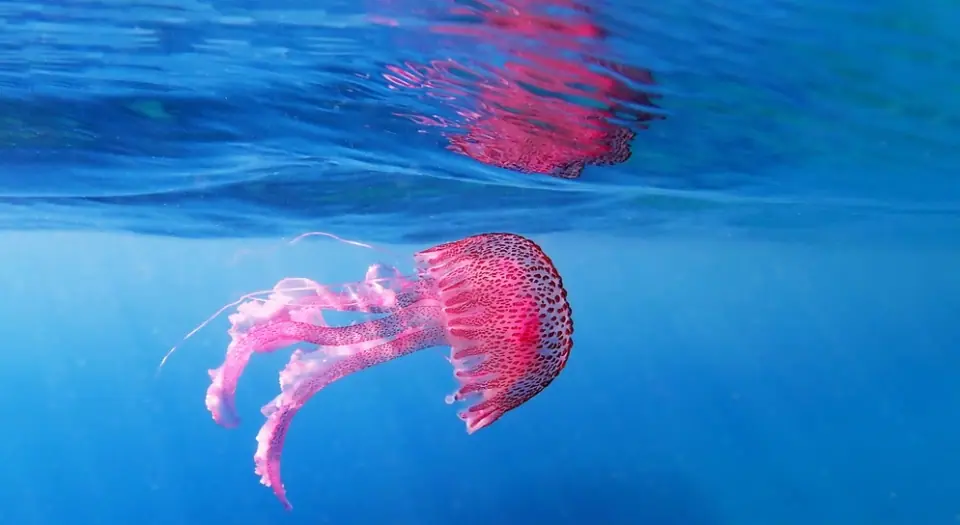
1. Jellyfish (medusas)
They are the main nuisance of the summer. Pelagia noctiluca, a small purple jellyfish, is common when the water is warm. More in our guide to jellyfish in Mallorca.
- Tip: if you see a “jellyfish” or purple flag on the beach, do not go in.
2. Currents and waves
On beaches in the north (Muro) or the east (Cala Mesquida), the wind can create strong currents. Always follow the flag colours:
- Green: safe to swim.
- Yellow: take care.
- Red: swimming prohibited (danger to life).
Swim without a second thought
The risk from sharks is negligible. Mallorca’s waters are excellent for swimming, snorkelling and diving.
The only “creatures” you will meet are small, colourful fish nibbling at your toes at Playa de Muro or Caló des Moro.
Planning a beach day? See our guides to Es Trenc beach and Caló des Moro. To reach the wilder coves, a hire car makes things much easier.
FAQ
Are there sharks in Mallorca?
Yes. The Mediterranean has 47 shark species, but most live near the seabed or on the open sea. Sightings near beaches are extremely rare and usually involve sick or disoriented animals, so they pose no real danger to swimmers.
Which shark can you see in Mallorca?
The most common is the blue shark, or tintorera, which can measure 2 to 3 metres. It lives offshore and only comes close to beaches when it is sick, injured or old, as happened in Palma harbour and at Illetes.
Have there been shark attacks in Mallorca?
Unprovoked attacks are extremely rare in the Mediterranean. The sharks seen near Mallorca’s beaches, as in Palma harbour in 2016 or at Illetes in 2017, injured no one.
What should you do if you see a shark in Mallorca?
Stay calm, avoid splashing and swim back to shore slowly. Do not touch the animal, and tell the lifeguards, who will raise the red flag as a precaution.
What are the dangerous sea creatures in Mallorca?
The real risks when swimming are jellyfish, especially Pelagia noctiluca when the water is warm, and sea urchins. Also follow the flags, because the wind creates strong currents on some beaches such as Muro or Cala Mesquida.
Book onlineThe most populartours
Book online before you go: you pick the time slot, and most tours can be cancelled for free up to 24 hours before.
 At sea
Mallorca boat trip
Compare tours, times and traveller reviews.
See prices →Free cancellation on most Guided tour
Serra de Tramuntana tour
Compare tours, times and traveller reviews.
See prices →Free cancellation on most Day trip
Caves of Drach
Compare tours, times and traveller reviews.
See prices →Free cancellation on most
Read next
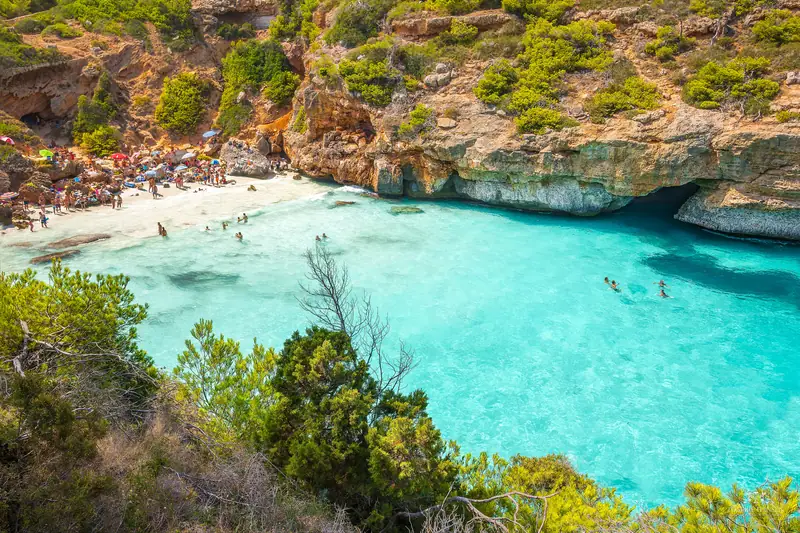
The best beaches in Mallorca: top 10, coves and the wind rule
The best beaches in Mallorca: Es Trenc, Caló des Moro, Cala Pi, Playa de Muro. Access, parking, the wind rule and tips to beat…
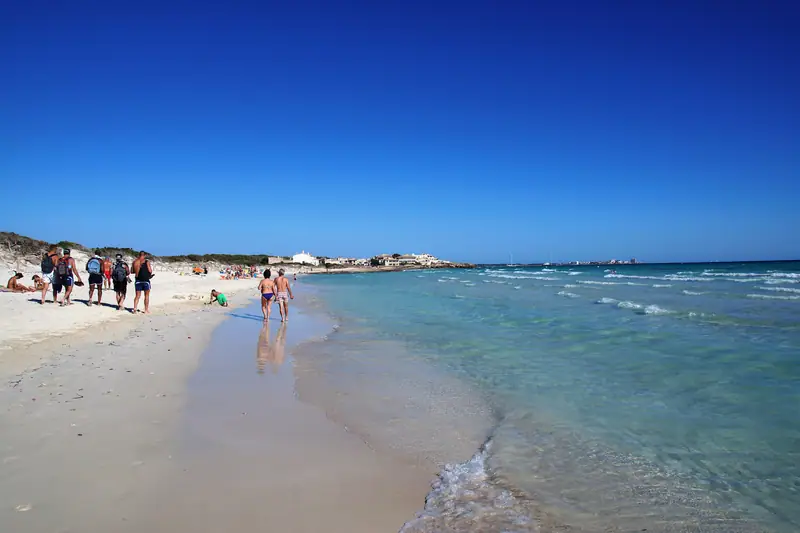
Es Trenc beach, Mallorca: parking, access and how to avoid the crowds
Over two kilometres of white sand with no concrete: where to park at Es Trenc (€8 to €10 a day), how to avoid crowds and seaweed…
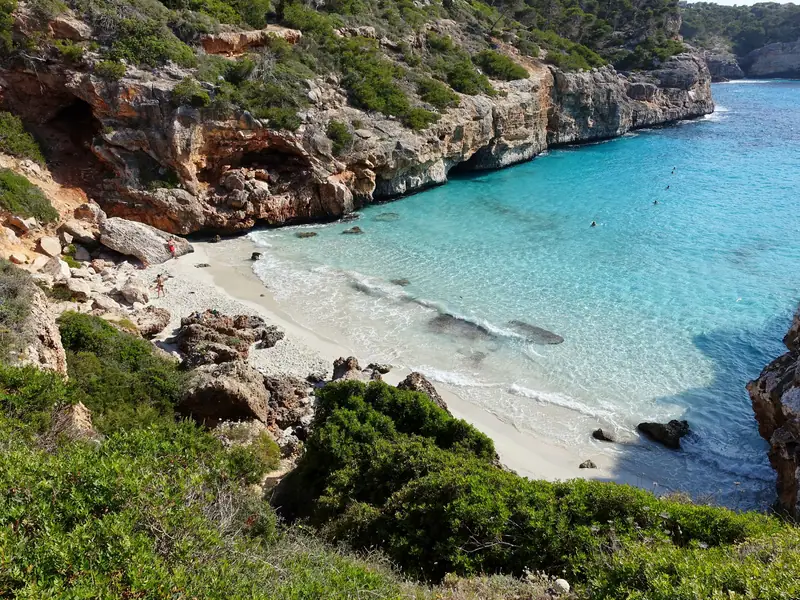
Caló des Moro: parking, access and the best time to go
Caló des Moro parking explained: the free visitor car park, a 25 to 30-minute walk, and why to arrive before 8am.