
The Balearic Islands travel guide
Mallorca, the travel guide
Turquoise coves, stone villages and mountain roads: everything you need to know before you go, and how to avoid the usual traps.
- the largest of the Balearic Islands
- 3,640 km²
- Puig Major, the highest peak
- 1,445 m
- the sea in August
- 26 °C
South-east coastCaló des Moro, SantanyíPhoto: Unsplash
Beaches and coves in MallorcaSix coves,six characters
From the dunes of Es Trenc to the cove at Deià: which ones are worth it, and what time to go.
 01 / 06South
Es Trenc
White sand, wild dunes and shallow water with no hotels: a dream or a crowd, depending on the time of day.
 02 / 06South-east
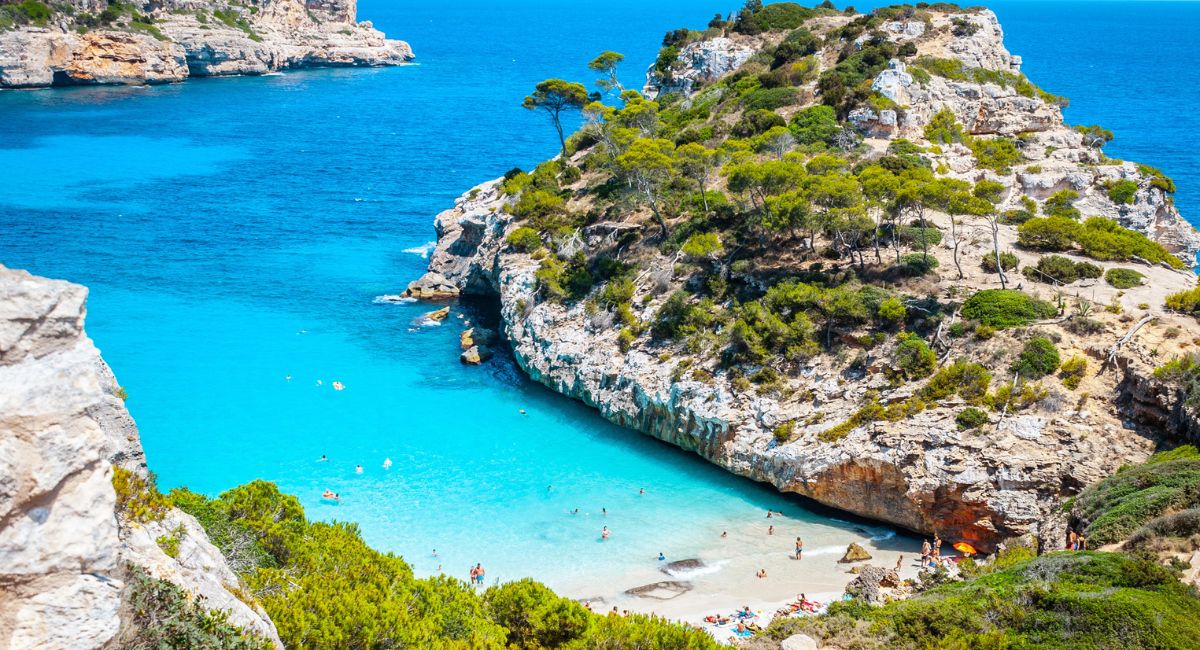
Caló des Moro
The postcard cove that can quickly turn into a nightmare: here is how to avoid that.
 03 / 06East coast
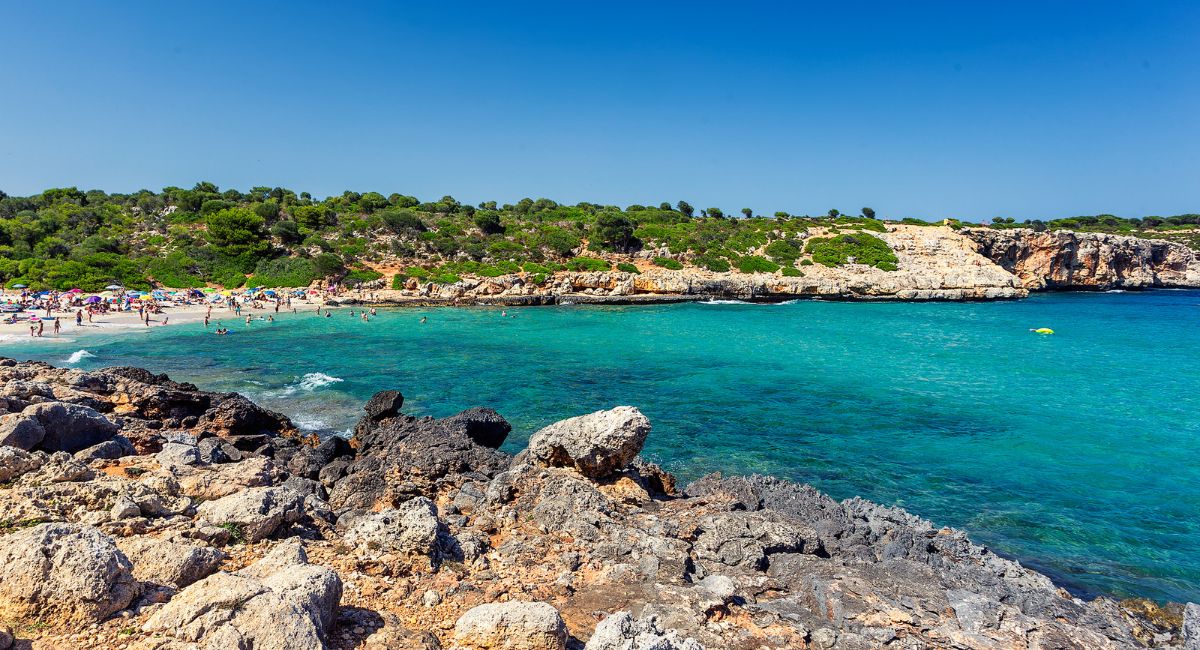
Cala Varques
The wild beach you have to walk to, with caves hardly anyone visits.
 04 / 06South
Cala Pi
A spectacular viewpoint, then a long flight of steps down to the water.
 05 / 06East coast
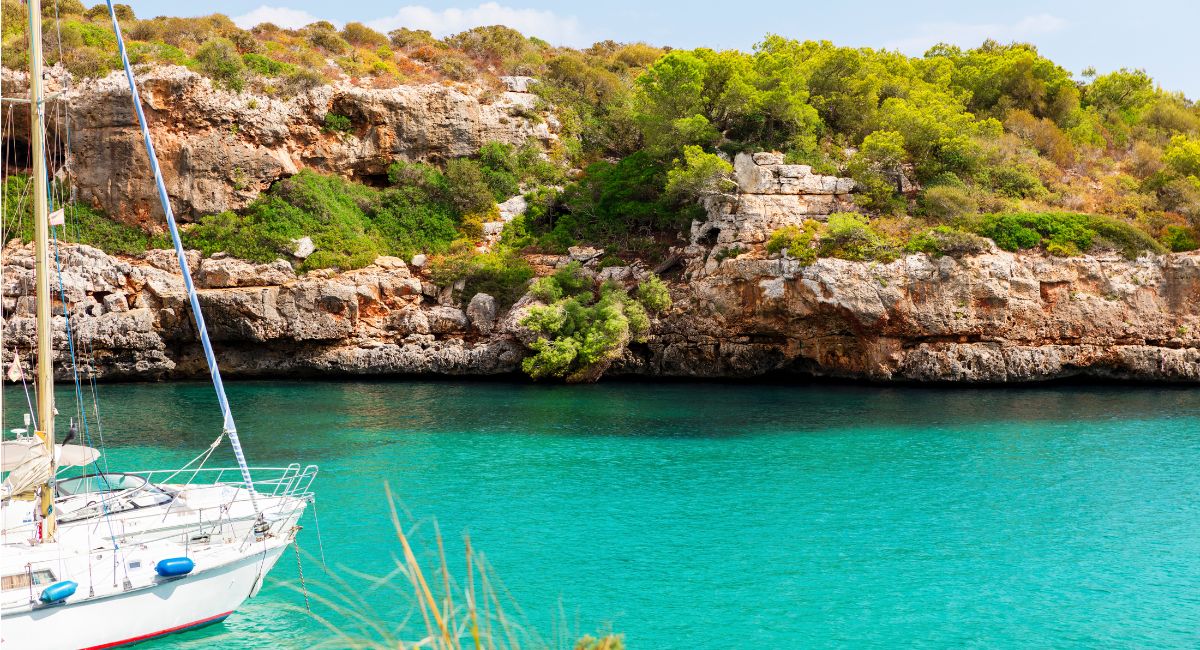
Cala Sa Nau
The little east-coast cove we prefer to Cala d’Or.
 06 / 06Tramuntana
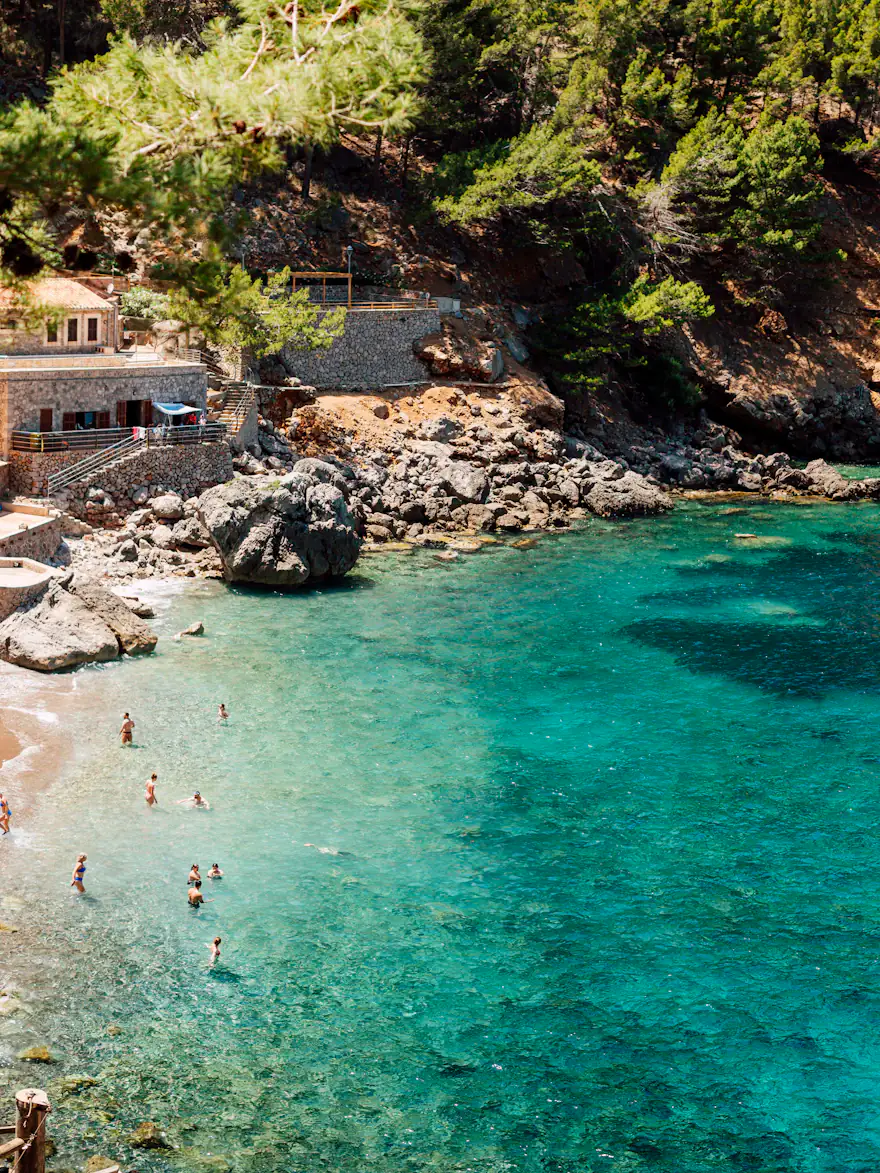
Cala Deià
The cove of Deià, the artists’ village, at the foot of the Tramuntana.
Towns and sights in MallorcaStone, mountainsand sea
Eight places that make Mallorca what it is, with what others don’t tell you: crowds, parking, the right time to go.

Valldemossa
The most romantic village (and the most crowded)
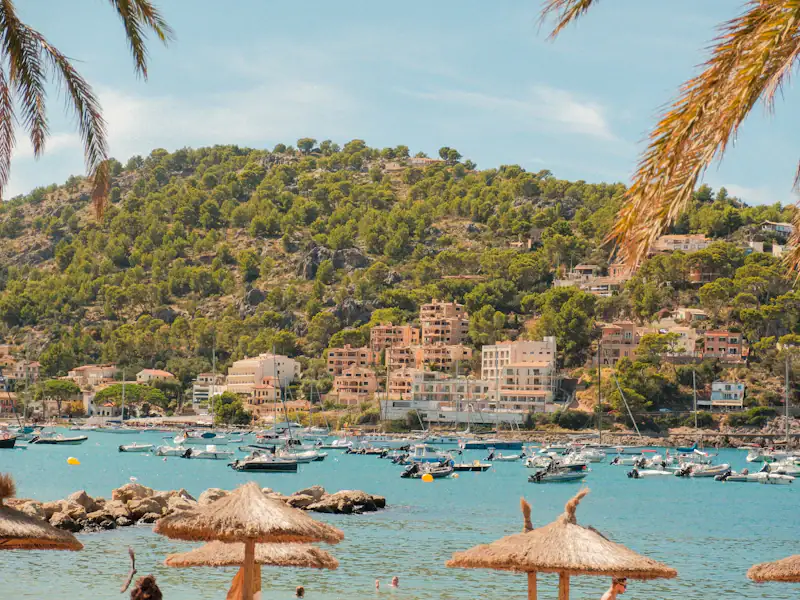
Port de Sóller
The harbour in a horseshoe bay
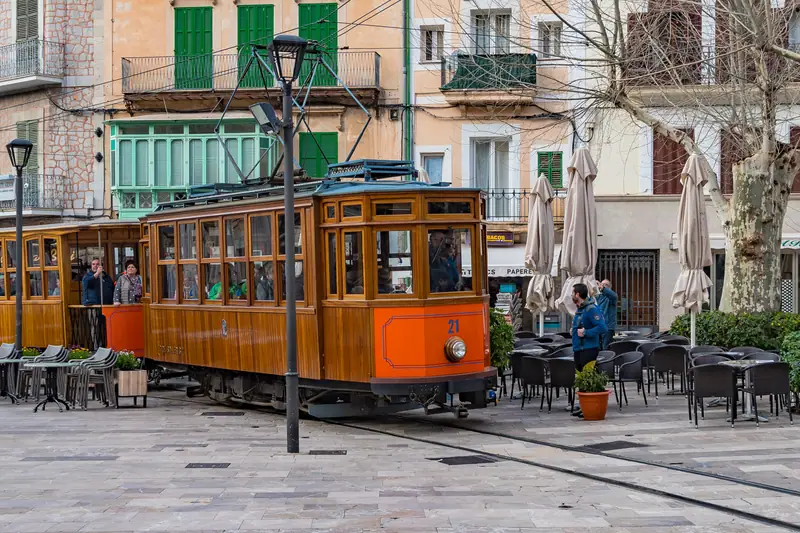
Sóller
Train, tram and Modernisme
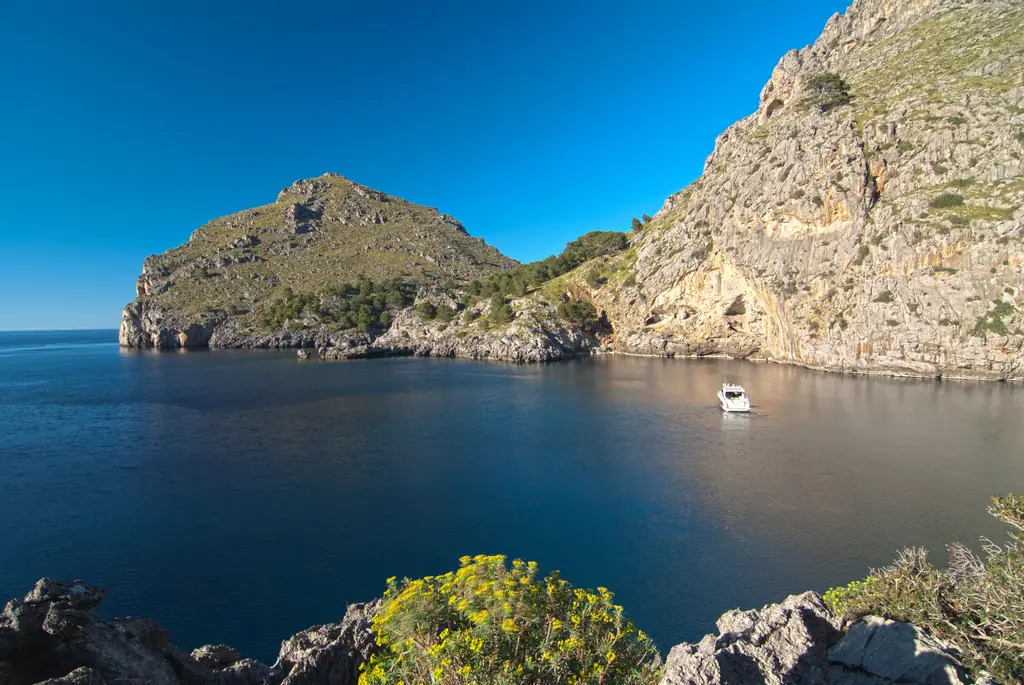
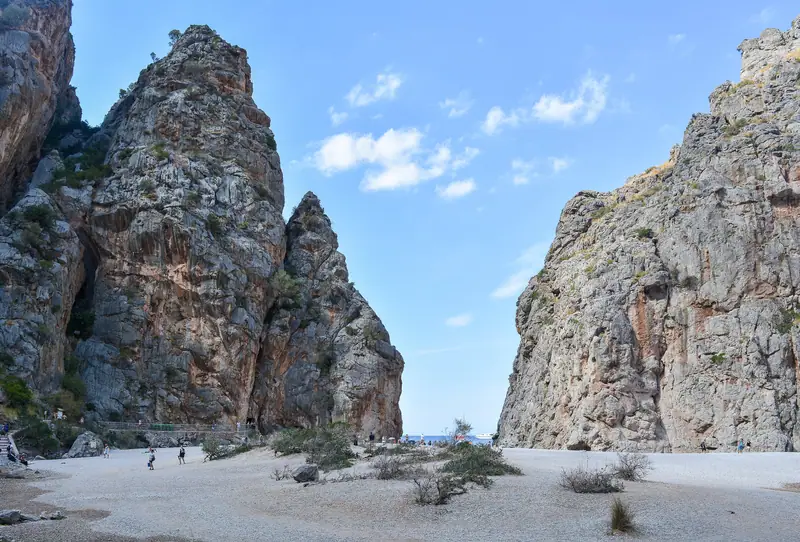
Sa Calobra
The hairpin road down to the sea
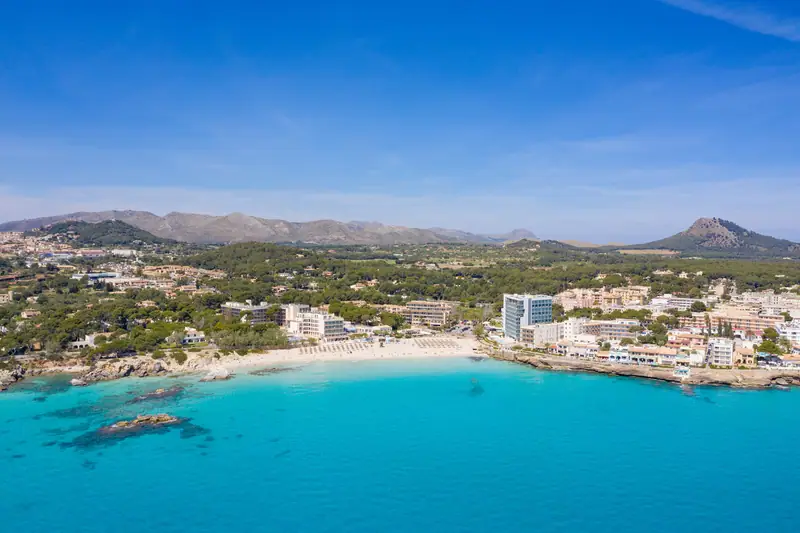
Cala Ratjada
Coves, a lighthouse and Capdepera castle
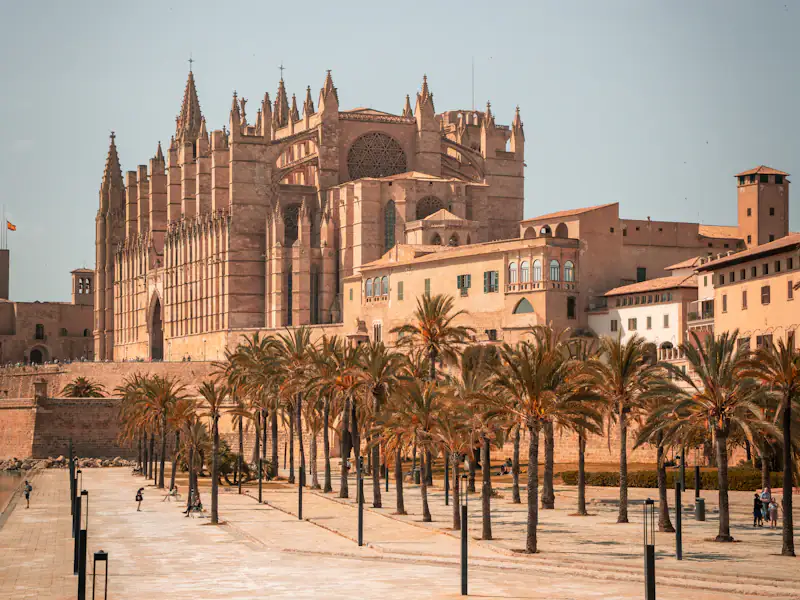
Palma Cathedral
La Seu, its terraces and opening times
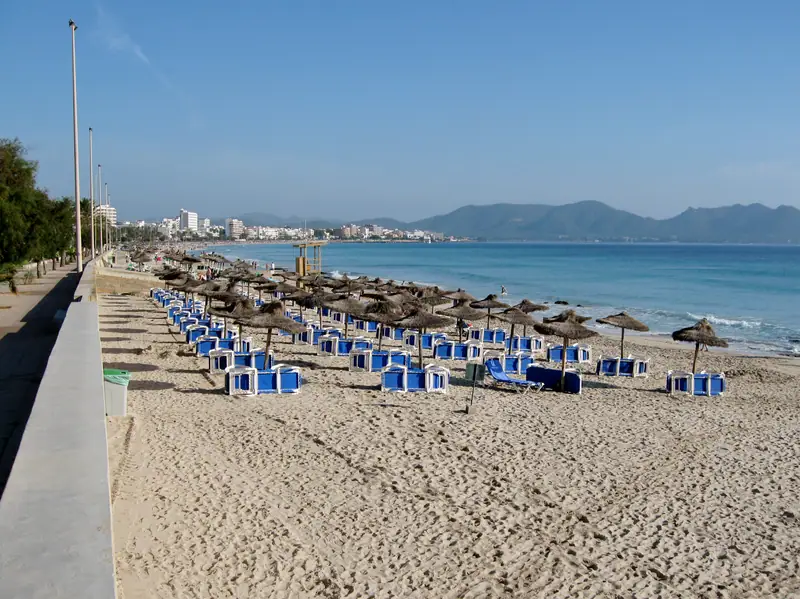
Cala Millor
The long sandy beach of the east coast
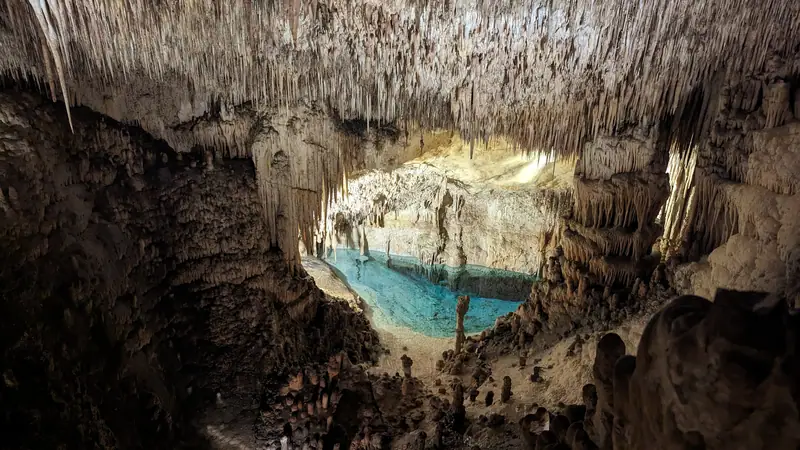
Caves of Drach
A concert on the underground lake
Tours and tickets in MallorcaThe most populartickets
Book online before you go and skip the queue on the day.
Affiliate links · GetYourGuide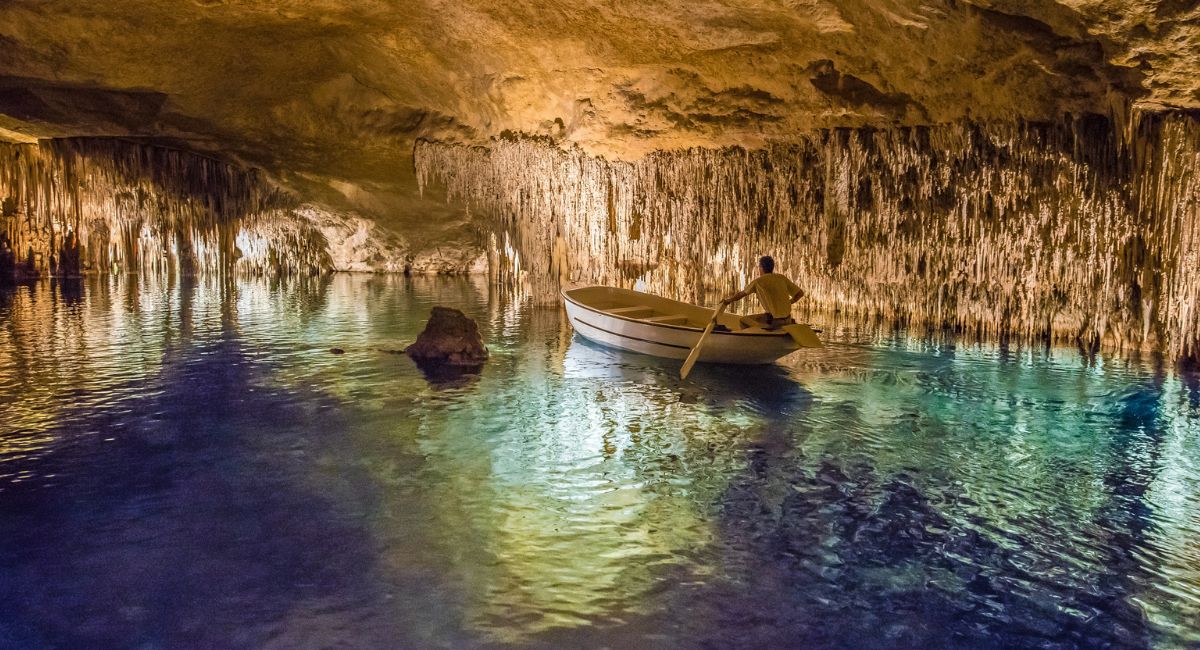 Concert on the lake
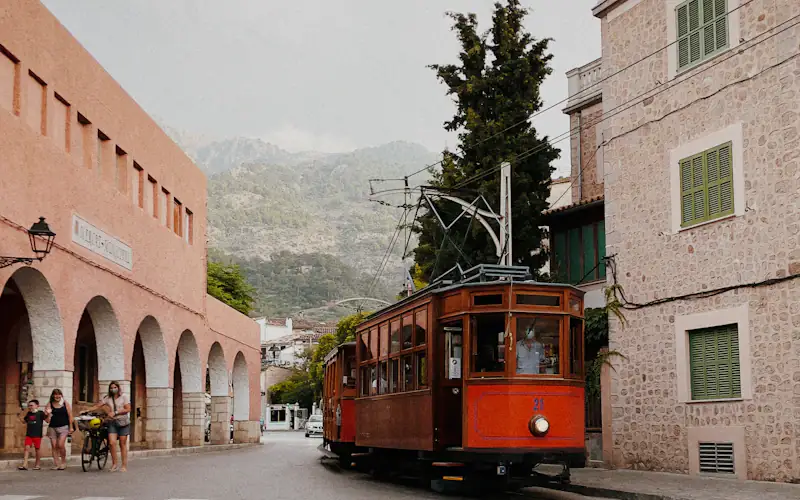 Palma – Sóller
Sóller train
Ticket for the historic train from Palma to Sóller, right through the Tramuntana.
Our verdict on the train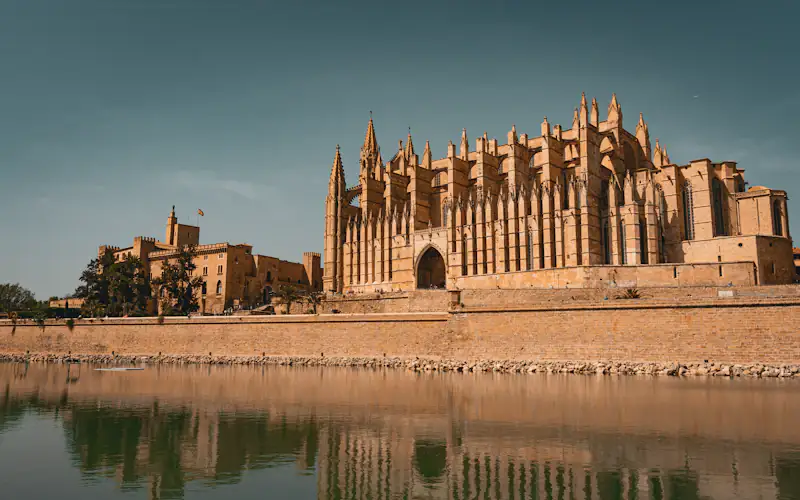 Skip the line
Palma Cathedral
Skip-the-line ticket for La Seu, the great cathedral by the sea.
Our guide to the cathedral Entry
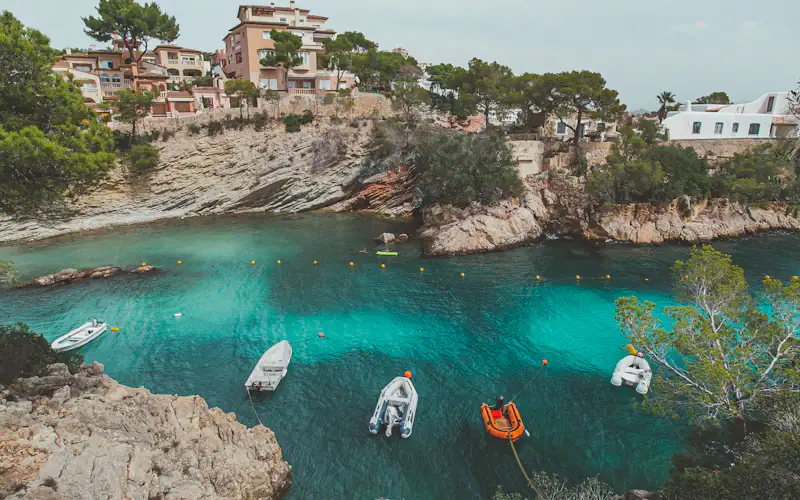 Palma or Alcúdia
Catamaran trip
A trip out to sea in the Bay of Palma or the Bay of Alcúdia.
 From Port de Sóller
Live prices and availability from GetYourGuide. You pay the same price, and a commission helps keep this guide running.
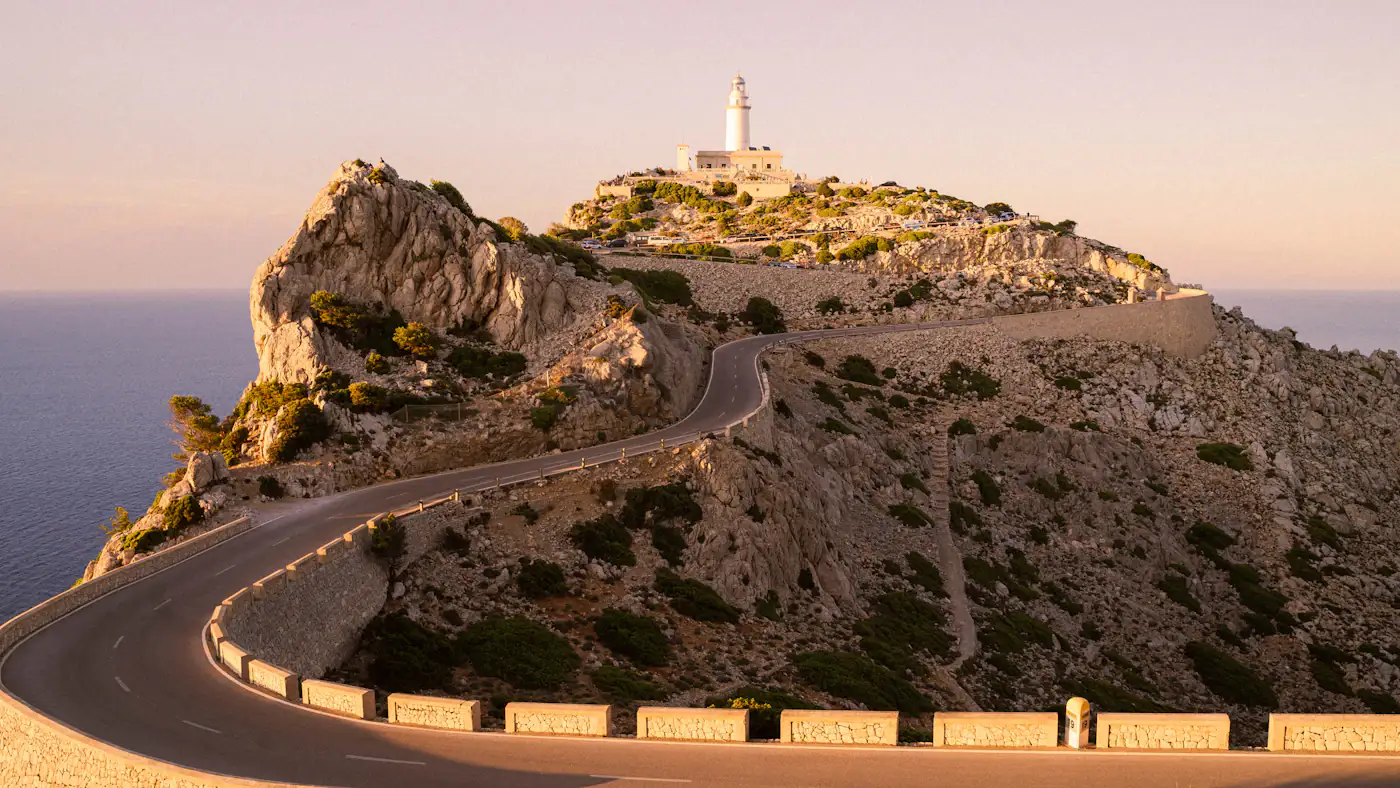
Car hire in MallorcaWithout a car, you see Palma. With a car, you see Mallorca.
- No deposit optionsSome deals can be booked without a deposit being blocked on your card.
- Pick-up at the airportPrices from the rental companies at Palma airport (PMI), side by side.
- Parking in PalmaWhere to park for free, and which zones you pay for.
Compare the island’s rental companies
DiscoverCarsPrices, excess and deposit from Mallorca’s car hire companies at a glance.
Compare prices at the airportAffiliate links: you pay the same price.Where to stay in MallorcaFour areas,four ways to travel
The area matters more than the hotel: start by choosing the part of the island that suits your trip.
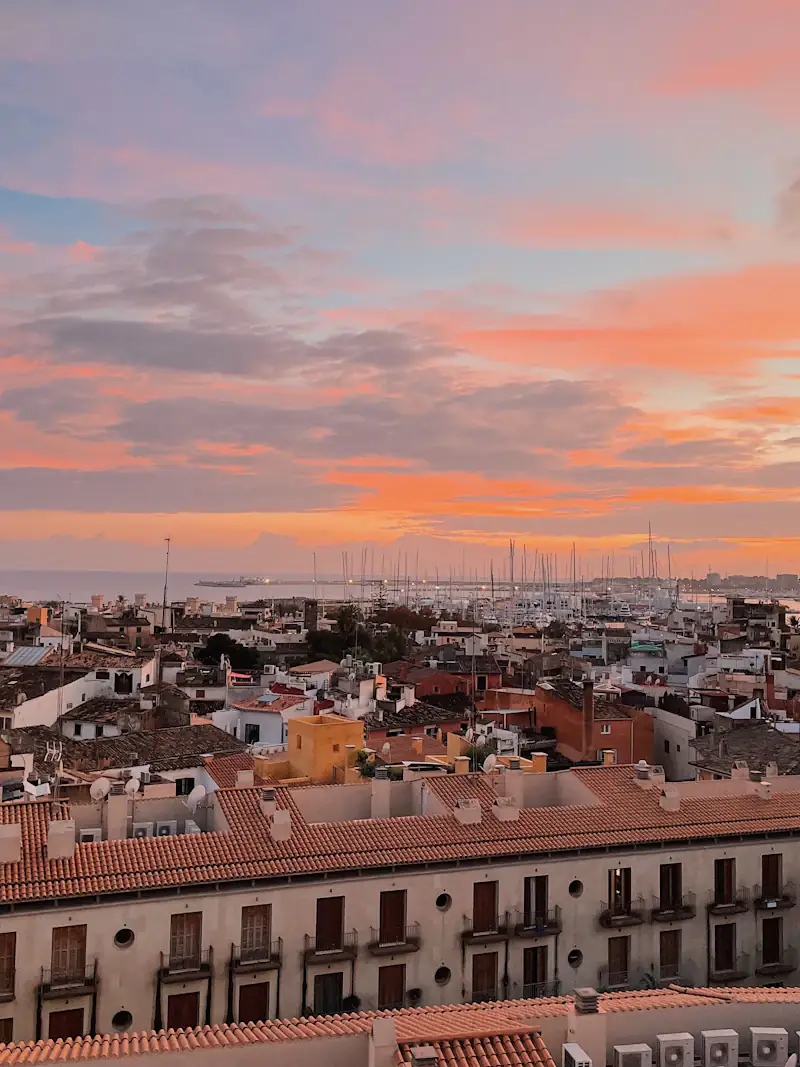 City and nightlife
Palma
The old town, terraces, long evenings and the airport close by.
See hotels: Palma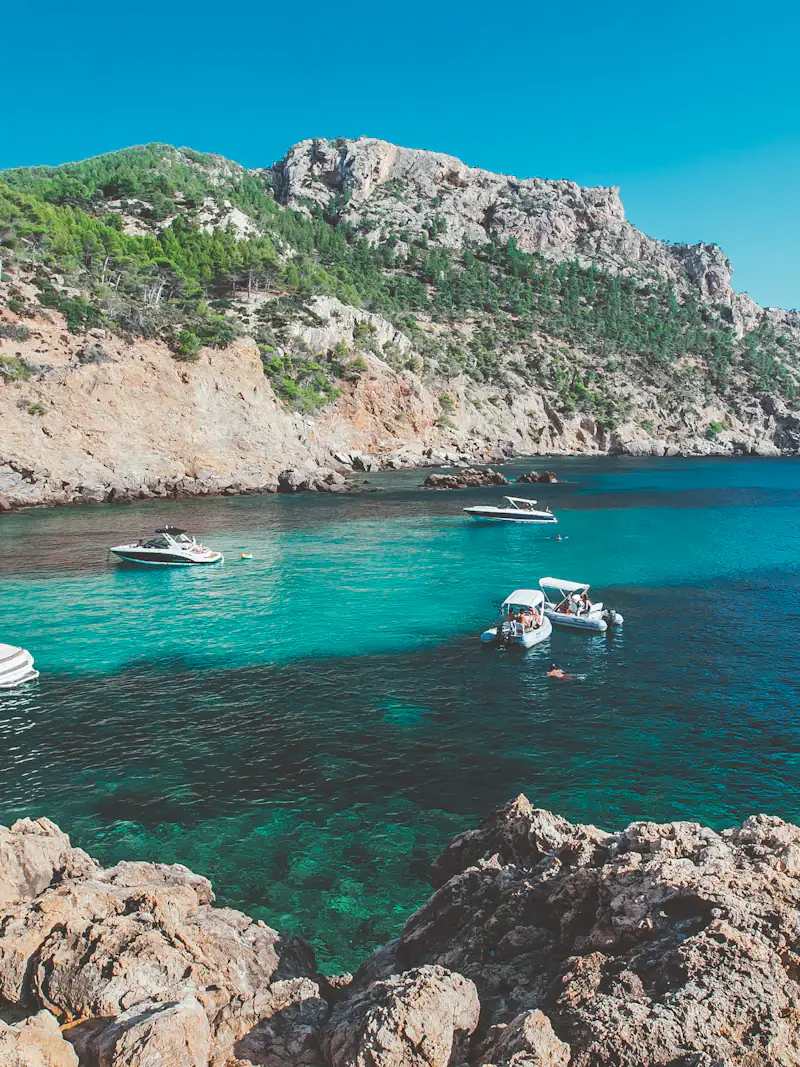 Families
The north: Alcúdia, Pollença
Wide bays, seafront promenades and old towns, ideal with children.
See hotels: The north: Alcúdia, Pollença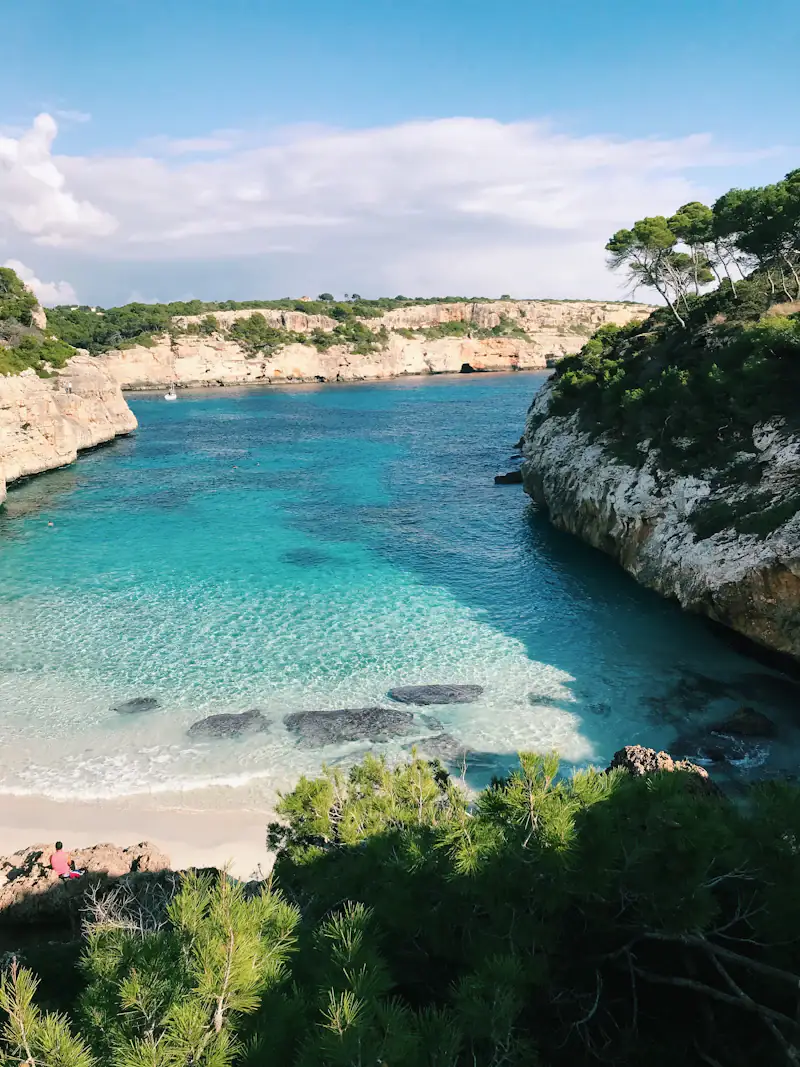 Beaches and coves
The east: Cala Ratjada, Cala Millor
Long sandy beaches, small coves and hotels right on the sea.
See hotels: The east: Cala Ratjada, Cala Millor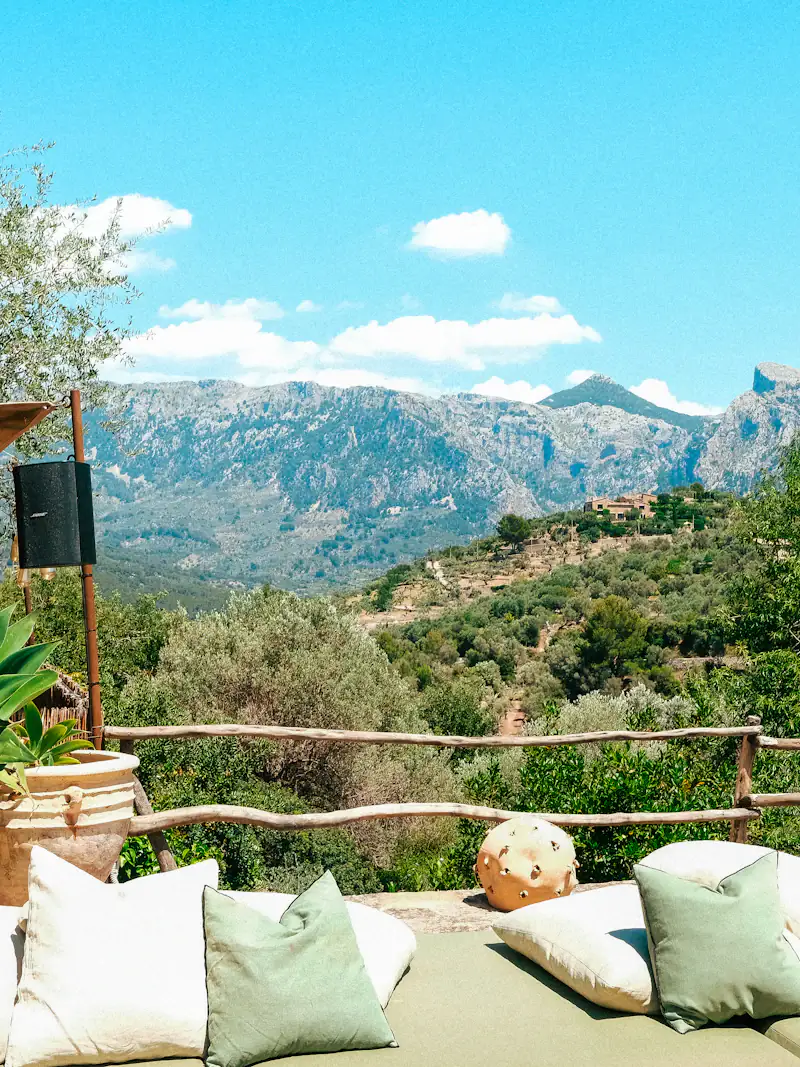 Hiking and peace
The Tramuntana: Sóller
Stone villages, walking trails and quiet evenings by the harbour.
See hotels: The Tramuntana: Sóller
Affiliate links (Stay22, Booking): you pay the same price.
Best time to visit MallorcaJune and September,the two favourites
The best months to go are June and September. The bigger the sun, the busier the season: you choose between heat, sea and peace and quiet.

The sea in September
25°C26 °C in August, 21 °C in June, still 22 °C in October.
- Jan15°Cool seaHiking, cycling
- Feb15°Cool seaAlmond blossom
- Mar18°Cool seaHiking
- Apr20°Cool seaSightseeing
- May24°Sea 17°A first taste
- Jun28°Sea 21°The best
- Jul31°Sea 24°Festivals, beach
- Aug31°Sea 26°Crowds
- Sep28°Sea 25°The best
- Oct24°Sea 22°Good value
- Nov19°Cool seaCity breaks
- Dec16°Cool seaPalma, Christmas
Sun: afternoon temperature in PalmaCrowds
Mallorca in briefThe islandin a few lines
Mallorca is the largest of the Balearic Islands, in Spain: 3,640 km², capital Palma. People come for the coves, the Serra de Tramuntana (a UNESCO World Heritage Site) and the villages. The best months to go are June and September. Outside the big resorts, a car is recommended.
- Area
- 3,640 km²
- Capital
- Palma
- Population
- ≈ 950,000
- Highest peak
- Puig Major, 1,445 m
- UNESCO
- Serra de Tramuntanasince 2011
- Airport
- Palma (PMI)third-busiest airport in Spain
- Languages
- Catalan (Mallorcan) and Spanish
- Best time to go
- June and September
- Getting around
- Car recommendedTIB buses, Sóller train
- Tap water
- Safe to drinkbut very hard
Our Mallorca guides in EnglishWhereto start
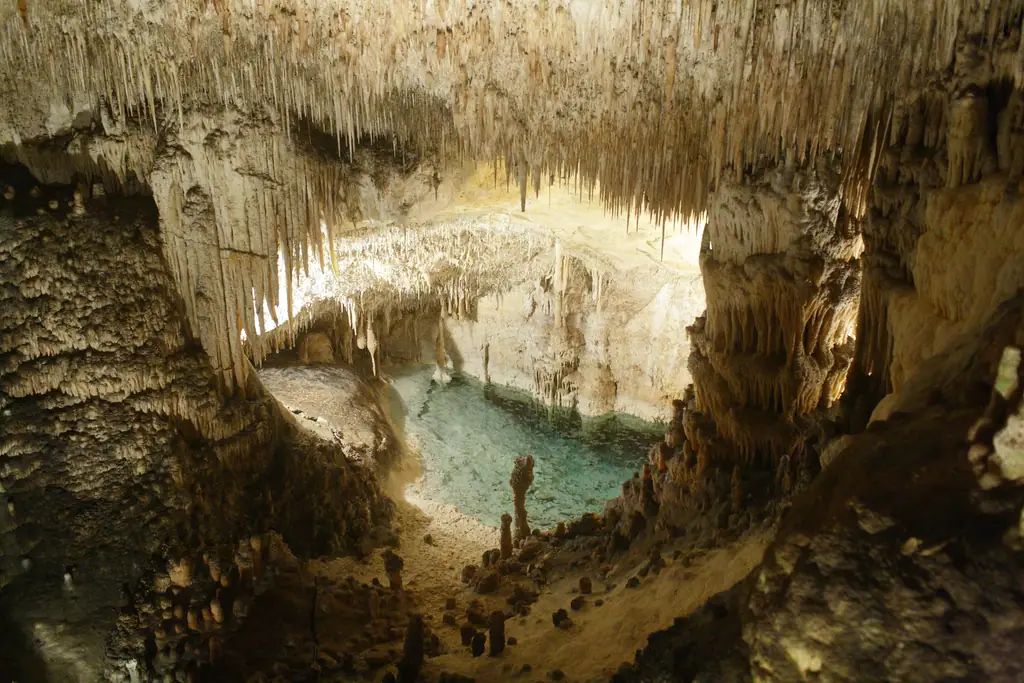 Caves of DrachTickets and the lake concert
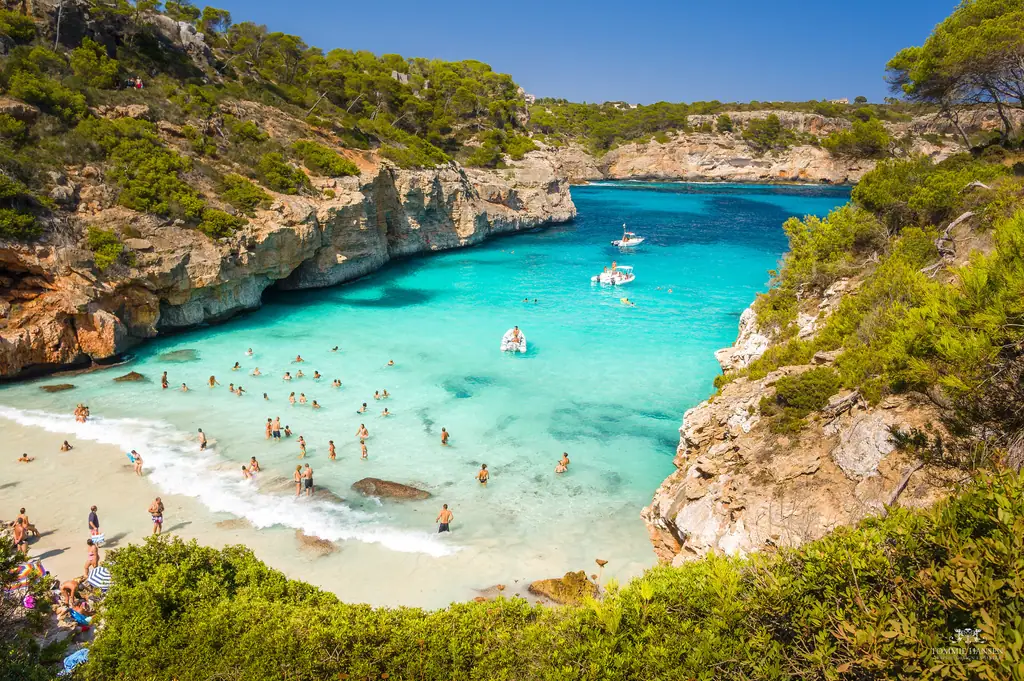 Caló des MoroGetting there and the right time
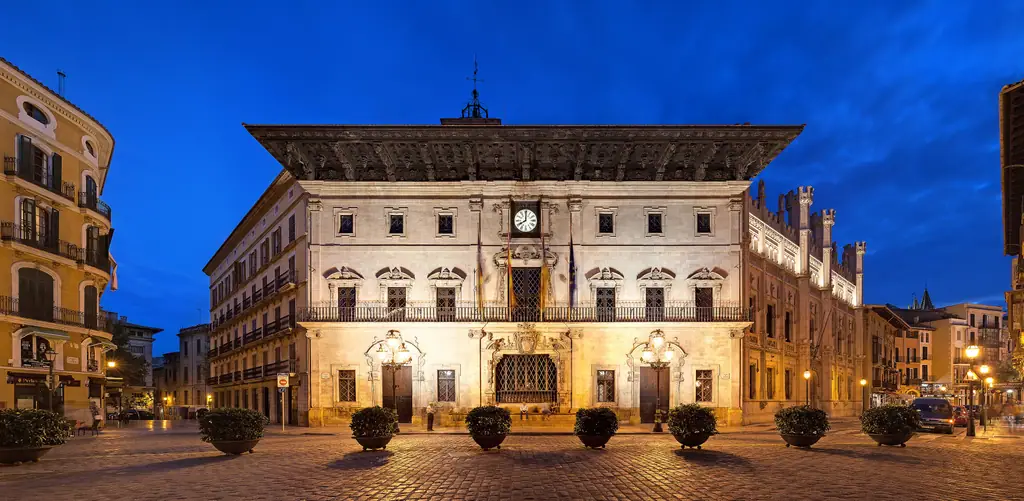 PalmaOld town, terraces, long evenings
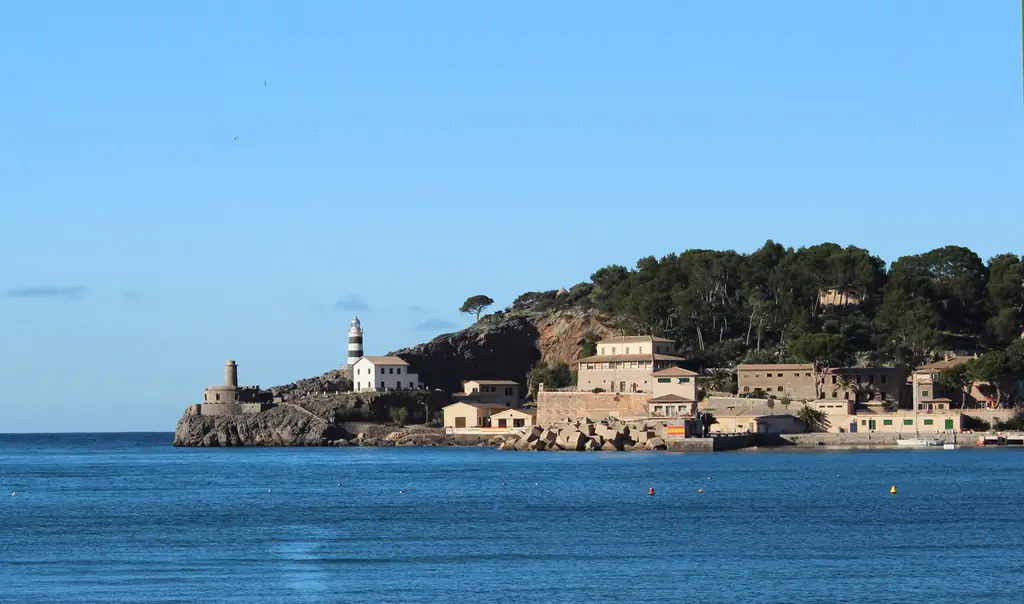 Sóller trainTickets, timetable, route
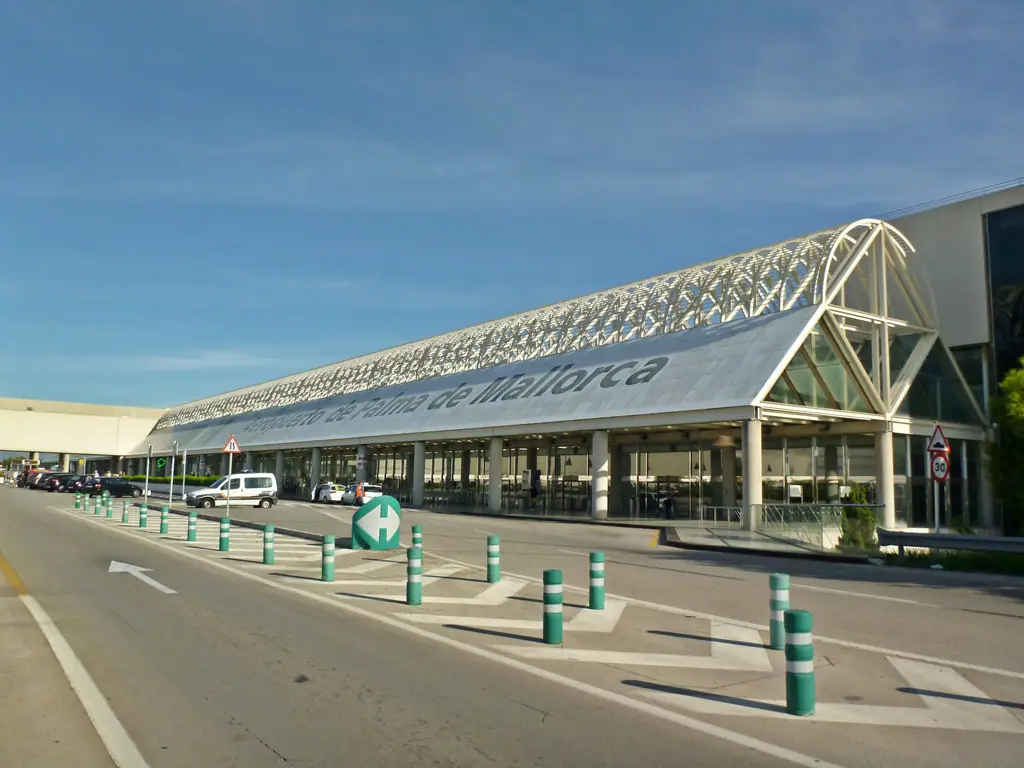 Palma airportArriving and getting to your hotel
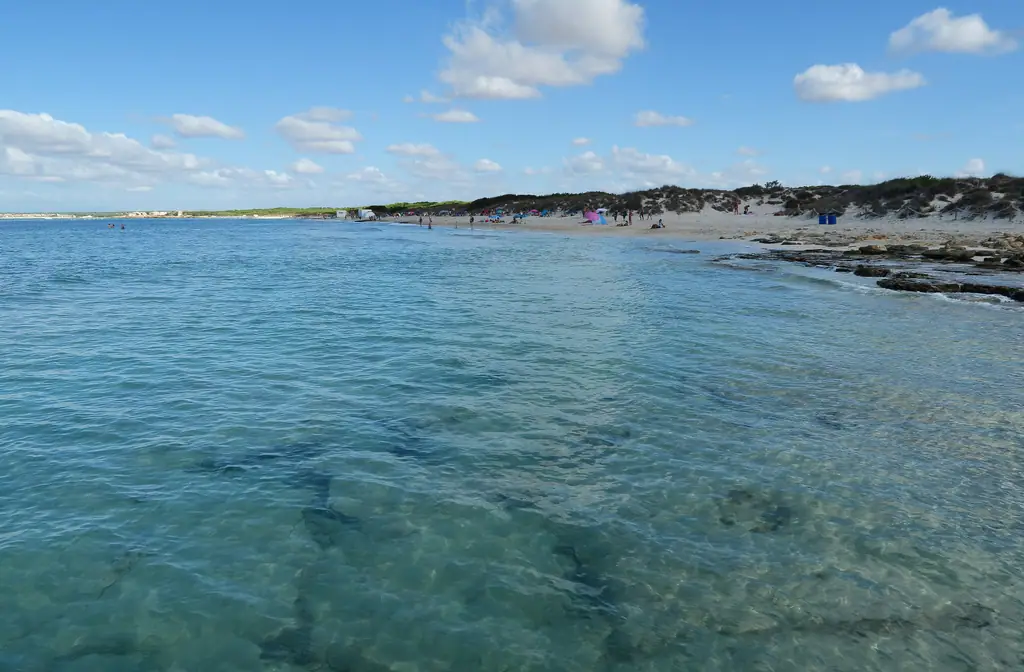 Es TrencDunes, parking and the right time
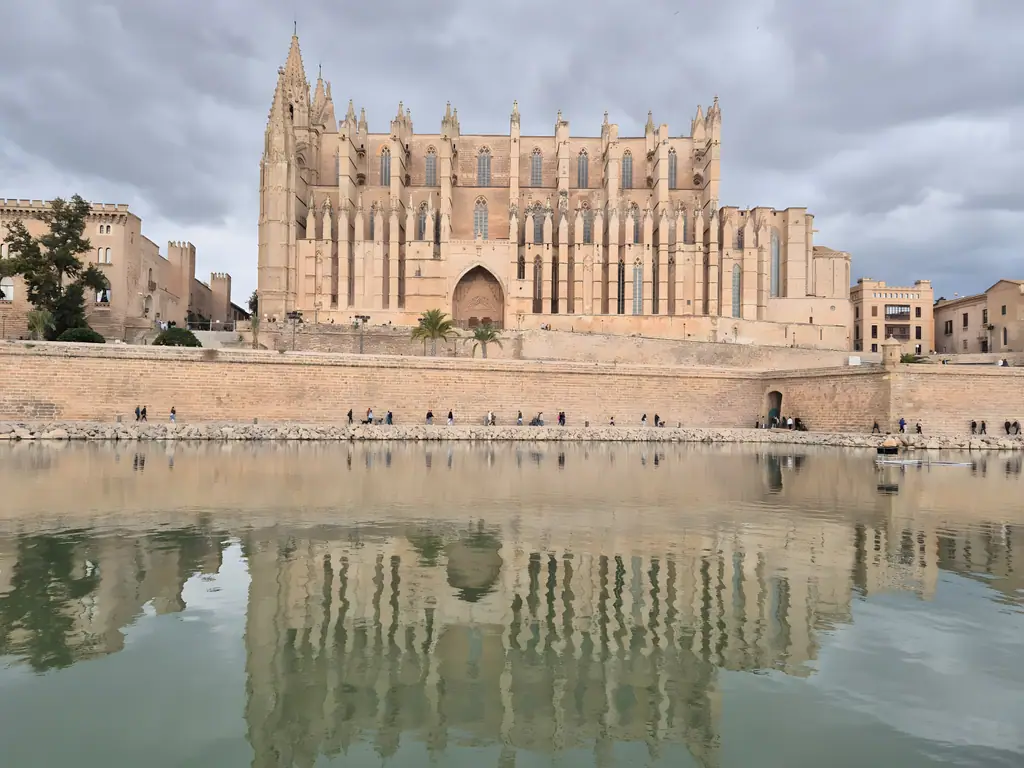 Palma CathedralTickets and terraces
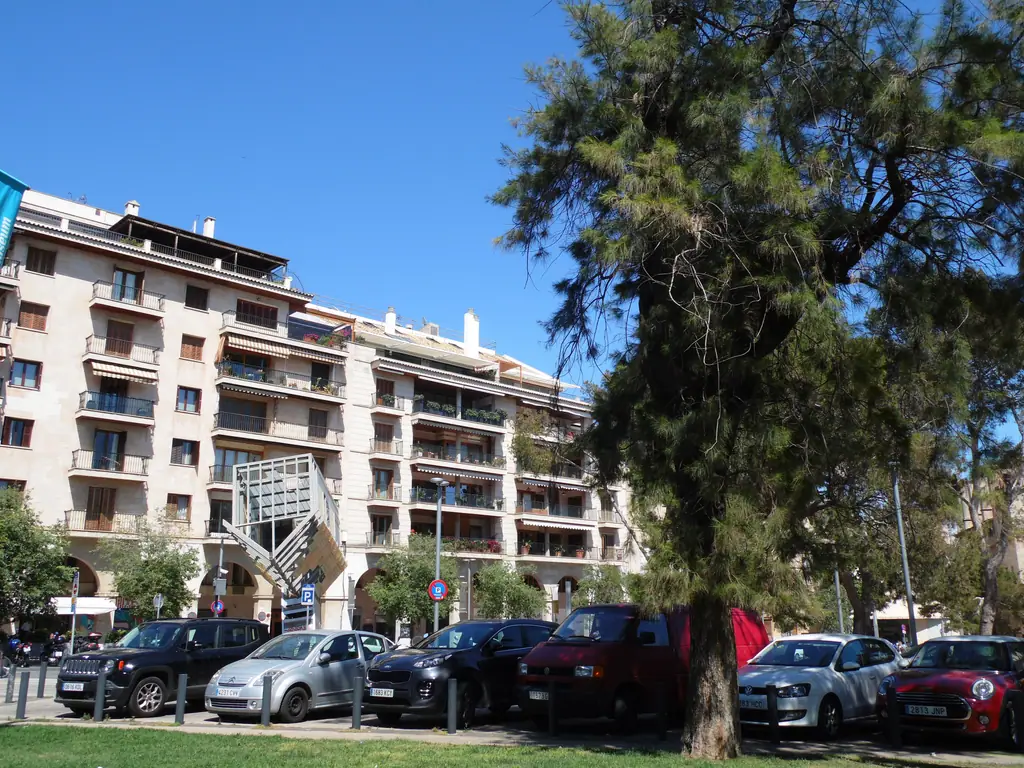 Parking in PalmaFree parking, the blue zone
Frequently asked questions about MallorcaThe questionswe get asked
Each answer in a line, the details in the guide.

Antoon, a travel professional for nine years, writes this guide from his own visits to the island. About
Do you need a car in Mallorca?
It is worth having one as soon as you want to go beyond Palma and the big resorts: coves, Tramuntana villages and Cap de Formentor are much easier to reach by car. Without a car, TIB buses and the Sóller train cover the essentials. Getting around by bus
When is the best time to visit Mallorca?
June and September: it is sunny, you can swim, and it is less crowded than in July and August. The weather month by month
Where can you park in Palma?
On the edge of the city there are free park-and-ride car parks, a few metro stops from the centre. We tell you which ones they are and how to avoid the paid zones. Parking in Palma
Where should you stay in Mallorca?
It depends on your trip: Palma for the city and nightlife, the north (Alcúdia, Pollença) for families, the east (Cala Ratjada, Cala Millor) for beaches, the Tramuntana (Sóller) for hikers and anyone after peace and quiet.
Can you drink the tap water in Mallorca?
Yes, it is safe to drink, but very hard: many visitors still buy bottled water. Tap water in Mallorca
Is the Sóller train worth it?
A beautiful historic ride through the Tramuntana, but not a cheap one: our honest verdict and how to get the most out of it. The Sóller train