Alcúdia old town: things to do, the walls, Pollentia and the market
7 min readUpdated  By Antoon
Contents
- Pollentia: the silence of Roman stones
- Alcúdia old town walls: a walk above the rooftops
- Alcúdia old town market: Mediterranean chaos
- Beyond the main street: Renaissance architecture
- Alcúdia old town restaurants: avoiding the tourist traps
- Alcúdia old town parking and getting there
- Three honest answers before you go
- FAQ
Alcúdia old town (Alcúdia Poble) stands one kilometre inland from the beach resort, behind 14th-century walls you can walk along for free. There’s a stubborn confusion about Alcúdia. For most holidaymakers landing at Palma airport, the name means a huge bay lined with resort hotels, all-you-can-eat buffets and shallow water ideal for children. That’s Port d’Alcúdia: an efficient seaside resort, but one that could be anywhere in the Mediterranean.
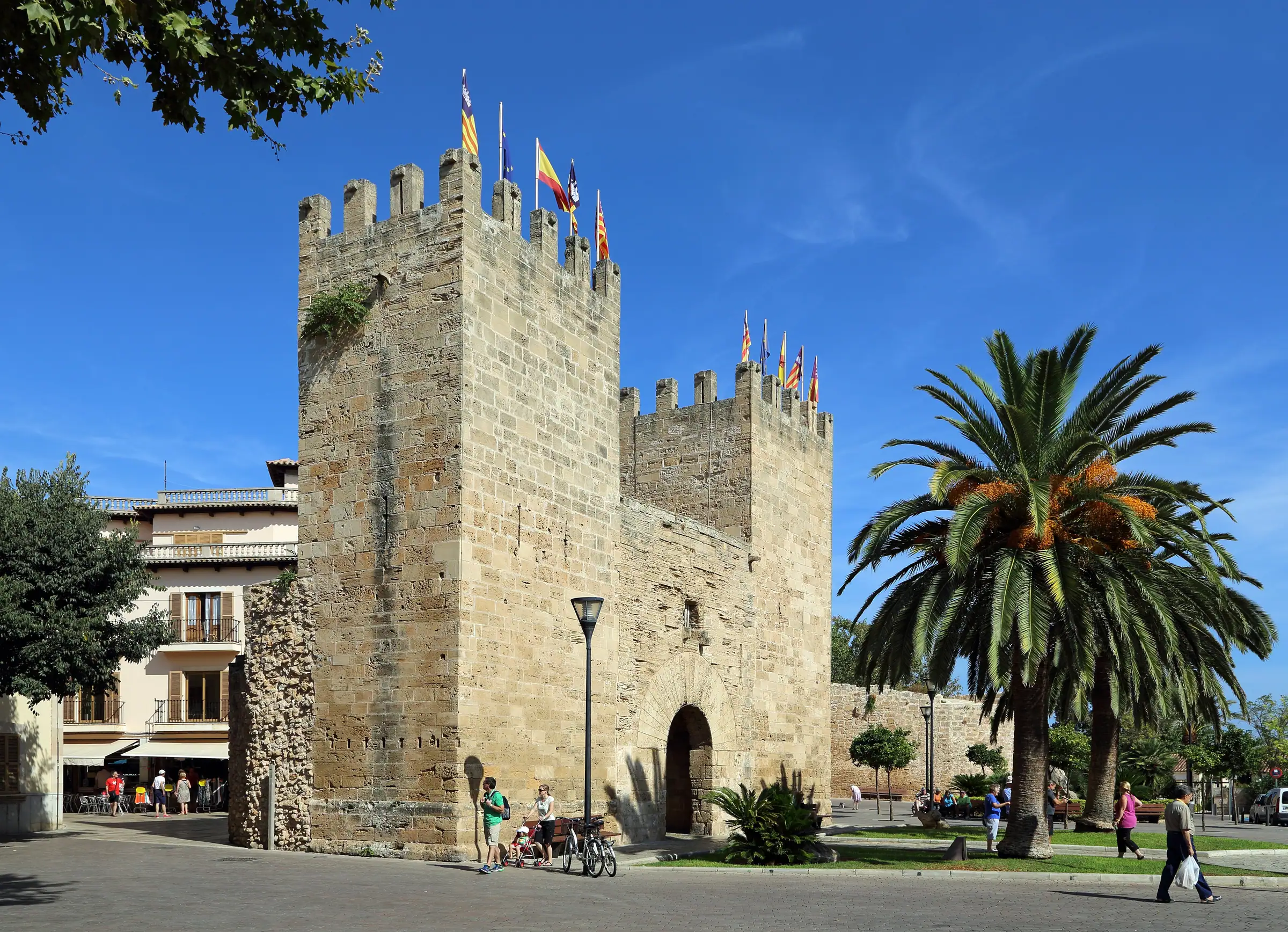
Barely a kilometre inland, though, is another world. Behind imposing medieval walls lies the old town. This, not the sand, is the historic heart of northern Mallorca: the Romans founded their capital here and the kings of Aragon built their fortress.
Visiting the old town isn’t just a rainy-day alternative. It’s a good way into the island’s history, in an ochre-stone setting very different from the coast. But to enjoy this maze without the market-day crowds or the scorching heat on the ramparts, you need to plan it right. Here’s how.
Pollentia: the silence of Roman stones
Before you even pass through the Porta de Mallorca, history catches up with you. Just outside the medieval walls lie the ruins of Pollentia. This is no mere archaeological curiosity: it’s where the town began. Founded in 123 BC, Pollentia was the Roman capital of the Balearics, chosen for its strategic position between two bays.
The visit starts in the La Portella quarter. Wandering between column bases and the remains of mosaics, you can picture the wealth of the domus (patrician houses) that once stood here. It’s a ghostly residential quarter, utterly calm and light years from the tourist bustle next door.
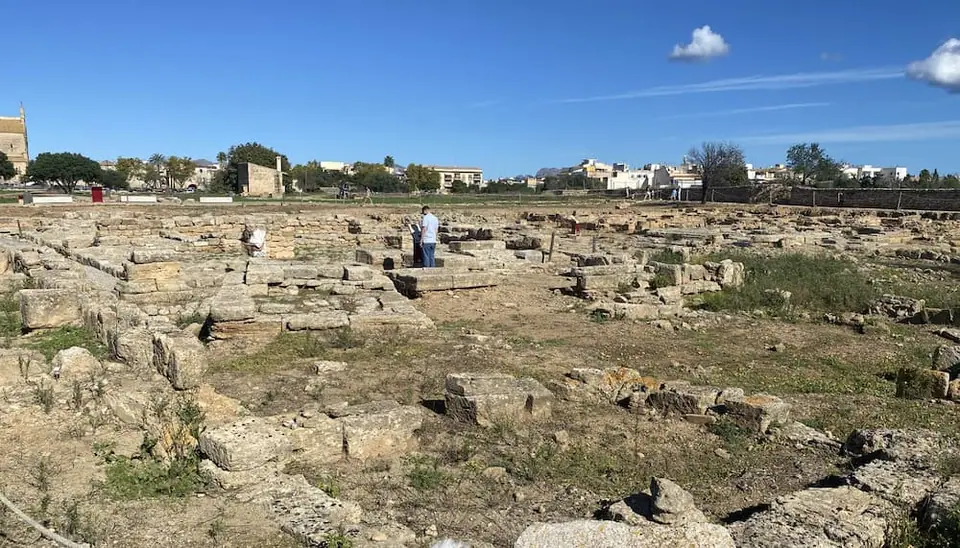
Further on, the Roman Theatre is worth the detour on its own. Unlike many ancient theatres built up from the ground, this one uses the natural slope: the tiers are cut straight into the rock. The place is simple and intimate. Touching stone carved two thousand years ago, you realise that the walls you’re about to visit were often built by plundering these ancient monuments. Alcúdia’s history is one of endless recycling.
Alcúdia old town walls: a walk above the rooftops
What strikes you on arriving at the old town is how well its walls have survived. Built in the 14th century under Jaume II, they were no stage set: they had to protect the population from relentless Barbary pirate raids.
The best way to understand this defensive architecture is to walk it. Access to the wall walk is free. Several staircases lead up, notably near the Porta de Mallorca and the Porta Roja. Once up there, the perspective changes completely.
The wall walk offers two very different views. On one side, you look down into the private life of the town: patios hidden from the street, sun-weathered tiled roofs and orange gardens behind high walls. On the other, the view opens onto the Bay of Pollença and the wild hills of the Victoria peninsula. It’s arguably the best photo spot in the area, especially at the end of the day when the low light sets the limestone glowing.
Alcúdia old town market: Mediterranean chaos
If you visit Alcúdia on a Tuesday or a Sunday morning, the mood changes completely. The quiet lanes give way to noisy bustle. Alcúdia market is one of the biggest on the island and literally takes over the historic centre.
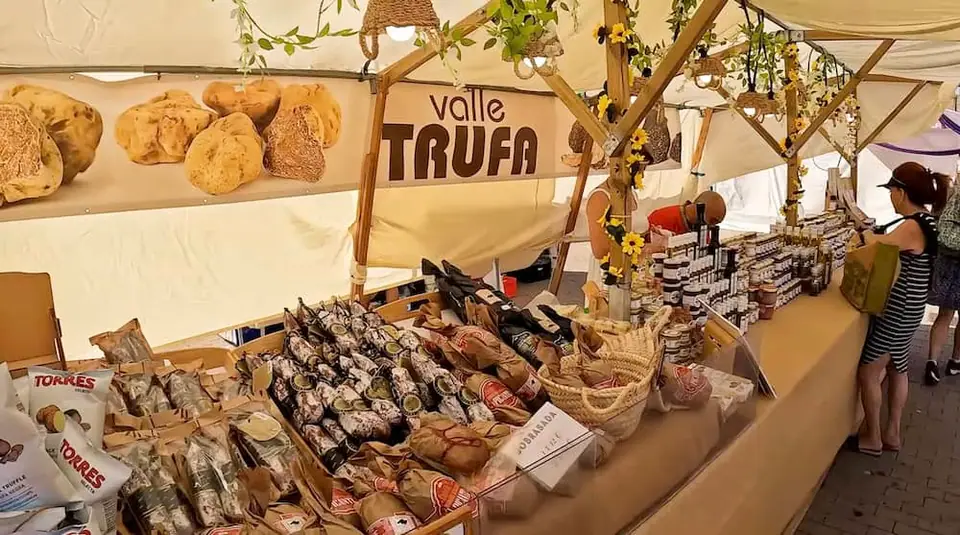
To be frank, not everything is worth buying. Many of the stalls, especially on the main street, sell standardised goods of little interest: fake leather bags, football shirts and “Made in China” souvenirs. To find the soul of the market, move away from the central street towards the walls, along the Passeig de la Mare de Déu de la Victòria.
That’s where the local producers gather, and where you should taste. Look for the olive stalls: trencades, cracked and marinated with wild fennel and chilli, are a speciality. Try a genuine sobrassada de porc negre (made from Mallorcan black pig), recognisable by its deep colour and soft texture. Buy a bag of still-warm roasted almonds and nibble them as you explore.
Beyond the main street: Renaissance architecture
Once the market packs up around 1.30pm, the town gets its dignity back. It’s the perfect moment to get lost. Carrer Major is where the shops are, but the treasures lie elsewhere.
Alcúdia is full of casas señoriales, Renaissance mansions with austere façades whose details betray their wealth. Look up at the windows decorated with carved coats of arms and glance through the gates. The Can Torró library is the finest example: step inside just to admire the wooden roof beams and the inner patio, a welcome cool refuge in summer.
Don’t miss the Church of Sant Jaume. Built into the walls, it’s an architectural curiosity: a neo-Gothic fortress church that seems to merge with the town’s defences.
Alcúdia old town restaurants: avoiding the tourist traps
Finding a good table in Alcúdia takes some judgement. The main squares are packed with terraces displaying multilingual menus with sometimes dubious photos. To eat well, you often have to step a little off the beaten track.
For a quick but good lunch, head to Sa Portassa. This little place hidden in a patio is the temple of pa amb oli. This “bread with oil” is the essence of Mallorcan cooking: brown bread rubbed with a special tomato (the tomàtiga de ramallet), drizzled with strong local olive oil and topped with Mahón cheese, serrano ham or figs. Simple, uncooked and delicious.
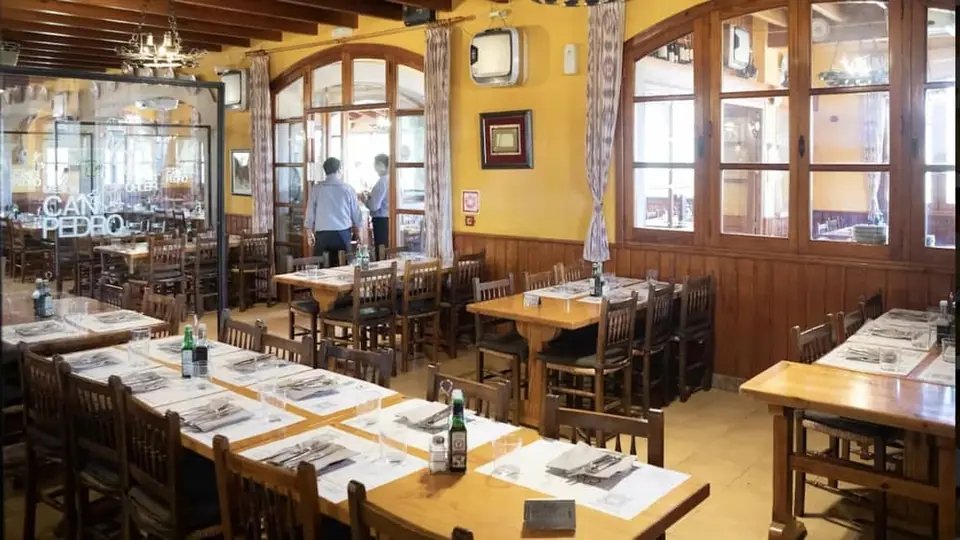
For a more elaborate dinner, C’an Pedro remains a safe bet that locals love. It’s noisy and lively, and the portions are generous. Try the frito mallorquín (sautéed offal with potatoes, peppers and fennel) or a slow-roasted shoulder of lamb.
Finally, for something sweet, stop at the Forn de Can Segura. This historic bakery makes crème brûlée ensaïmadas that are worth the trip alone, as well as the traditional gató d’ametlla, a dense, moist, flourless almond cake often served with almond ice cream.
Alcúdia old town parking and getting there
The classic mistake is trying to drive too close to the walls. The old town is a pedestrian sanctuary. Venturing into the surrounding lanes is the best way to get stuck or pick up a hefty fine, and the local police are particularly watchful.
The answer is simple and little known: the Pollentia car park. Right opposite the Church of Sant Jaume and the Roman ruins, it’s a huge, laid-out open plot, free and always open. Park there: cross the road and you’re at the foot of history.
If you’re staying in Port d’Alcúdia or Can Picafort, leave the car at the hotel. TIB lines 302 (from Can Picafort and Port d’Alcúdia) and 322 (from Port d’Alcúdia and Port de Pollença) serve the old town and are very cheap. From Port d’Alcúdia, they drop you near the walls in a few minutes, sparing you a hot car and the stress of parking.
The best time to visit? To avoid the heat and the crowds, go at the end of the day, around 7pm. The ochre stone of the walls glows in the setting sun, the temperature turns pleasant and locals come out to chat on their doorsteps.
Three honest answers before you go
“Is it better than Sóller?” They can’t be compared: it’s like choosing between the mountains and the fortress. Sóller (in the west) is genteel, green and humid, with its orange groves. Alcúdia (in the north) is mineral, dry, military and Roman. If you love old stones and ancient history, Alcúdia wins hands down; if you want cool air and nature, go for Sóller. Ideally, do both: they’re poles apart.
“Can you really walk to the beach?” On paper, yes (20 minutes). In reality, it’s a walk along a charmless avenue in the sun. Save your energy: take the car and drive 5 minutes north (towards Bonaire) to Playa de Sant Joan, a white-sand cove facing Cap de Formentor, far wilder than the concrete of the port.
“Is the ticket for the Roman ruins a rip-off?” At €4? Not at all: that’s the price of a milky coffee on the main square. The little Roman theatre cut into the rock is worth it on its own. And on Sundays it’s free.
FAQ
What are the best things to do in Alcúdia old town?
Walk the walls (staircases near the Porta de Mallorca and the Porta Roja), visit the Roman ruins of Pollentia and their theatre, see the Church of Sant Jaume built into the walls and the Renaissance mansions, such as the Can Torró library.
Where to park for Alcúdia old town?
At the Pollentia car park, opposite the Church of Sant Jaume and the Roman ruins. It’s a large, laid-out plot, free and always open; avoid driving into the lanes around the walls.
What days is Alcúdia old town market?
Tuesday and Sunday mornings, in the historic centre. Local producers gather near the walls, on the Passeig de la Mare de Déu de la Victòria. The market packs up around 1.30pm.
How do you get to Alcúdia old town by bus?
TIB line 302 runs from Can Picafort and Port d’Alcúdia, and line 322 from Port d’Alcúdia and Port de Pollença. From Port d’Alcúdia, the old town is only a few minutes away.
Read next
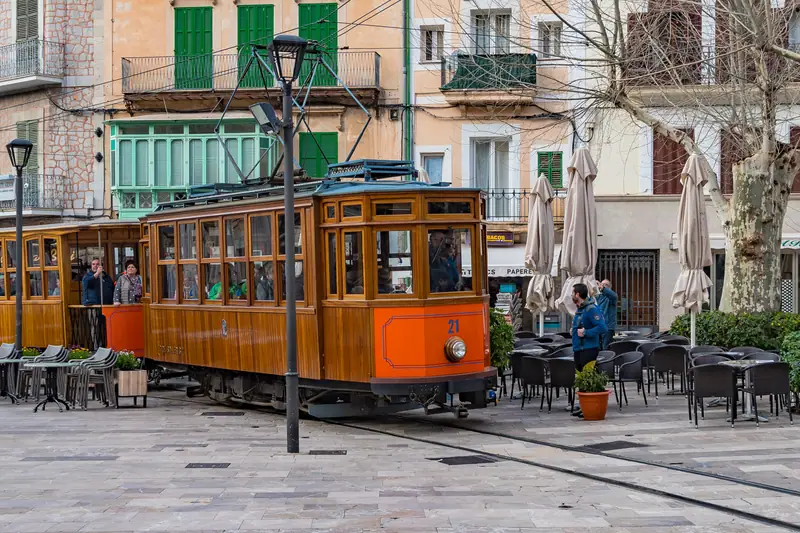
Things to do in Sóller, Mallorca: the train, the tram, the port and the valley
Things to do in Sóller, Mallorca: train or free tunnel, Sant Bartomeu church, the tram to the port, red prawns and where to park.
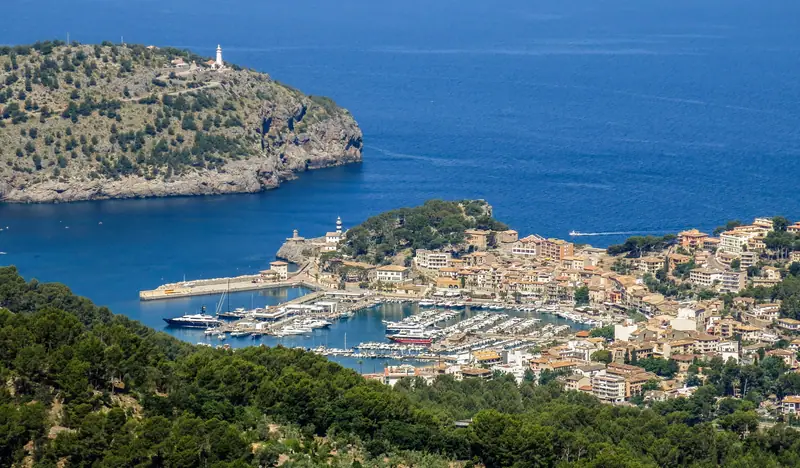
Port de Sóller, Mallorca: things to do, the tram, beaches, lighthouses and where to stay
Things to do in Port de Sóller: the 1913 tram from Sóller (30 min, €10), Repic beach, the Cap Gros lighthouse, boats to Sa…
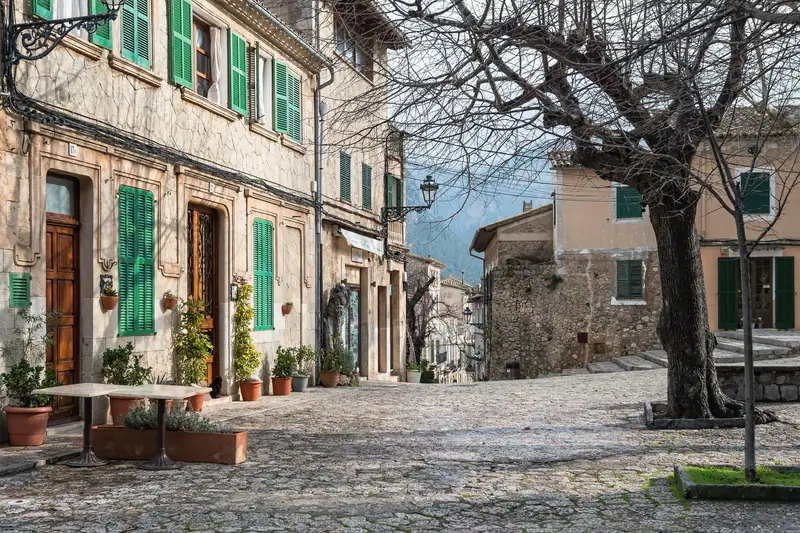
Valldemossa, Mallorca: the Charterhouse, coca de patata and parking
Valldemossa without the crowds: Chopin's Charterhouse (€12.50), coca de patata at Ca'n Molinas, the best viewpoint, the…